Dark Fires / Topics
Space & Astronomy
Explore space missions, planets, stars, galaxies, and the science behind new discoveries, with reporting grounded in observatories, mission teams, and published research.
-
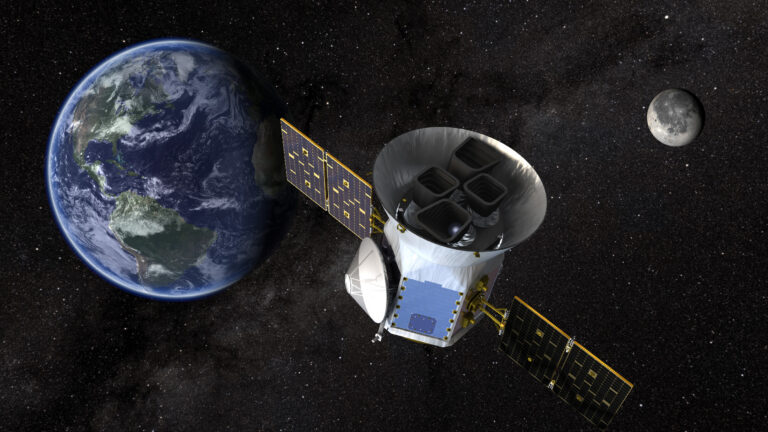
TESS Reaches the 1,000-Planet Milestone
An October 8 archive update marks 1,000 confirmed planets discovered with TESS data, with thousands of candidates still awaiting verification.
-
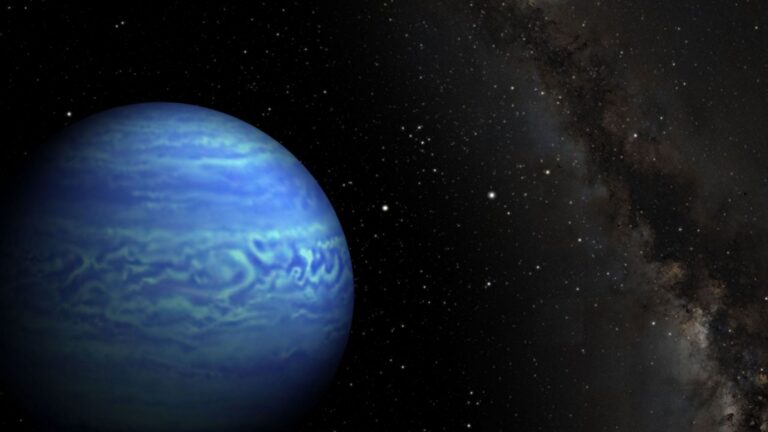
Webb Tracks Changing Water Clouds on the Cold Brown Dwarf WISE 0855
Time-resolved Webb spectra reveal changing cloud thickness and deep atmospheric chemistry on one of the Sun’s coldest nearby neighbors.
-
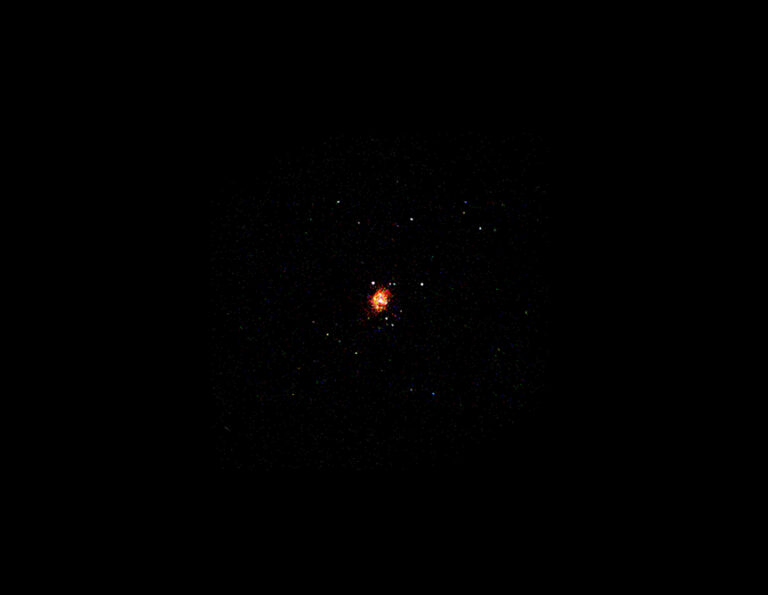
Chandra’s New Galaxy Views Celebrate Swift’s Rapid Response to the Universe
Four newly released composite views show the value of combining Swift’s fast reactions with Chandra’s detailed X-ray vision as Swift approaches the end of its mission.
-
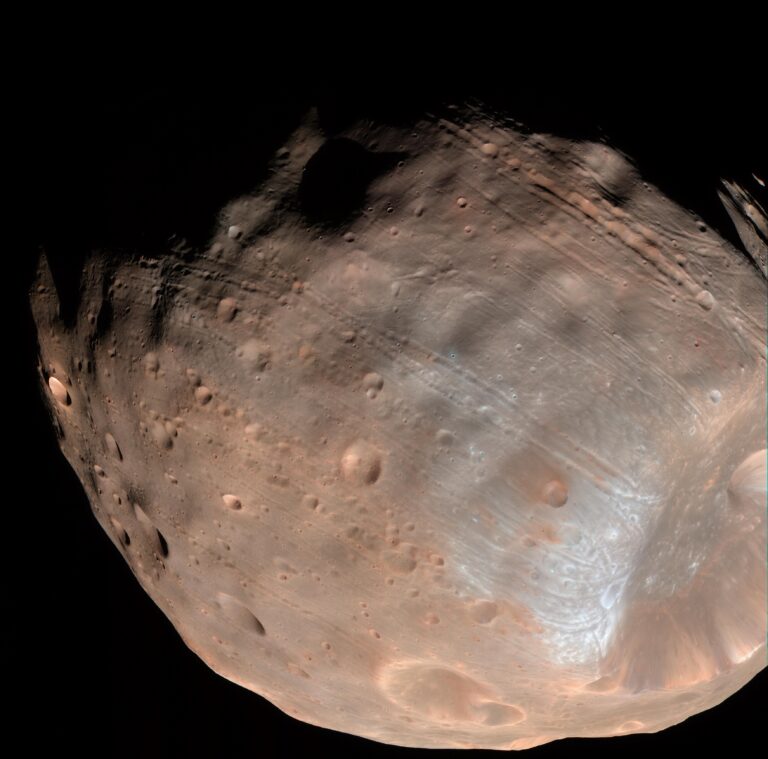
MMX Nears Launch for a Journey to Bring Pieces of Phobos Home
Japan’s Martian Moons eXploration mission will combine orbital measurements and a returned sample to investigate the origins of Mars’s small moons.
-
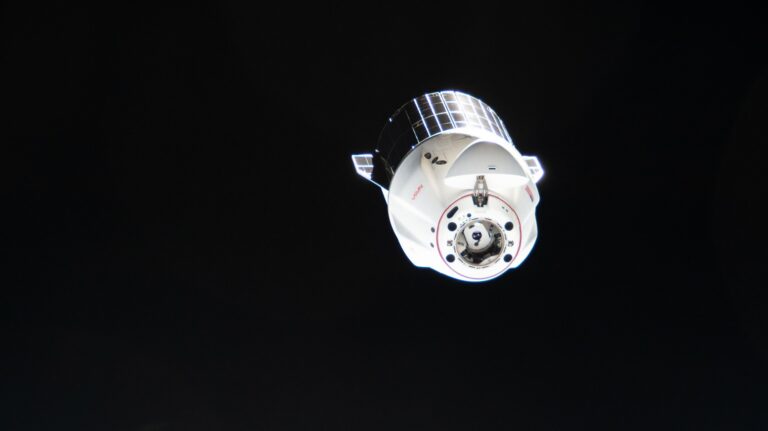
Brain Models, Crop Disease and Faster Lab Tests Head for the Space Station
NASA’s latest cargo preview details four investigations into how living systems cope with space, ahead of the planned October 13 Dragon launch.
-
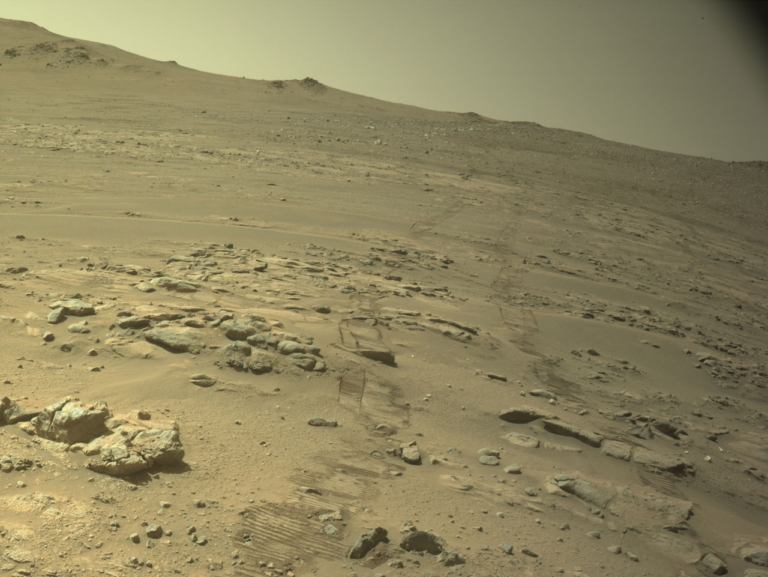
Perseverance Breaks the Off-World Driving Record as Its Mission Enters a New Phase
A 45.22-kilometer journey puts Perseverance ahead of Opportunity, while improved navigation opens more ancient Martian terrain to exploration.
-
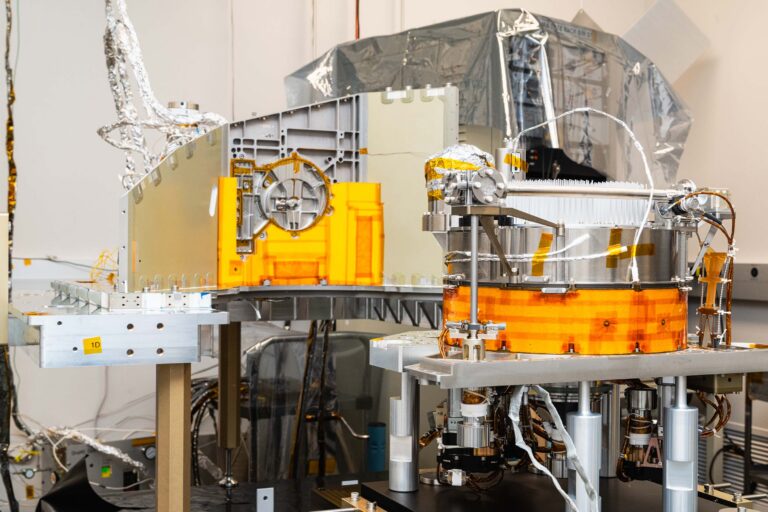
Dragonfly: How NASA Plans to Fly Across Saturn’s Moon Titan
Dragonfly will carry a flying laboratory across Titan’s dunes and impact terrain. The mission aims to explore the chemistry that could precede life.
-
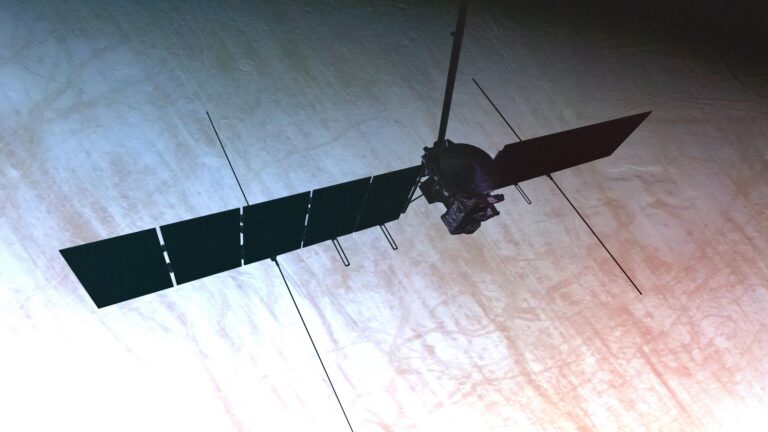
Why Europa Clipper Is Coming Back to Earth on Its Way to Jupiter
Europa Clipper’s December 2026 Earth flyby will give the spacecraft a crucial boost toward Jupiter. Here is how the detour works, and what comes next.
-
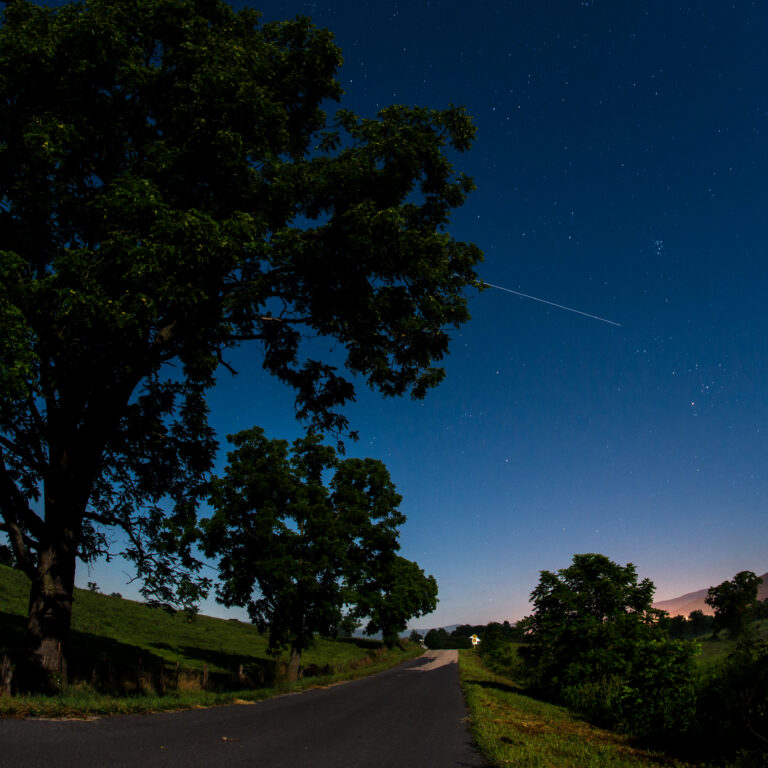
How to Spot the International Space Station From Your Backyard
A bright point crossing the evening sky may be the International Space Station. NASA’s local pass predictions make it possible to plan a sighting and check what you saw.
-
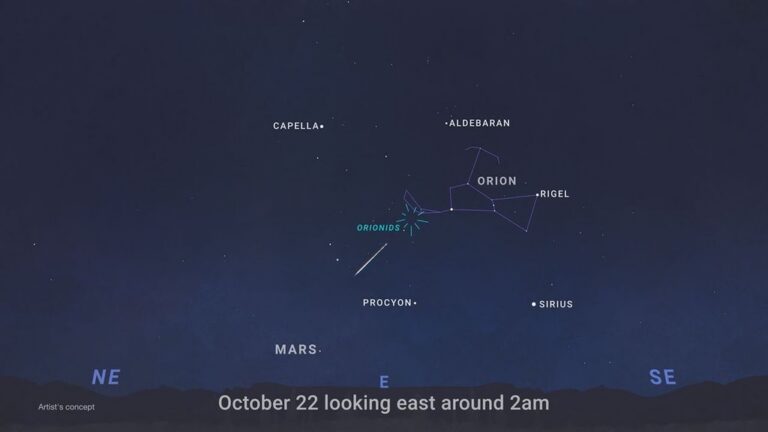
Orionid Meteor Shower 2026: When to Look and What to Expect
The Orionids peak on October 21–22, but a bright Moon will make timing important. Here is how to give yourself the best chance of seeing fragments of Halley’s Comet.