Dark Fires / Topics
Skywatching
Practical guides to observing meteor showers, planets, satellites, and the night sky, with clear timings, observing tips, and reliable sources.
-
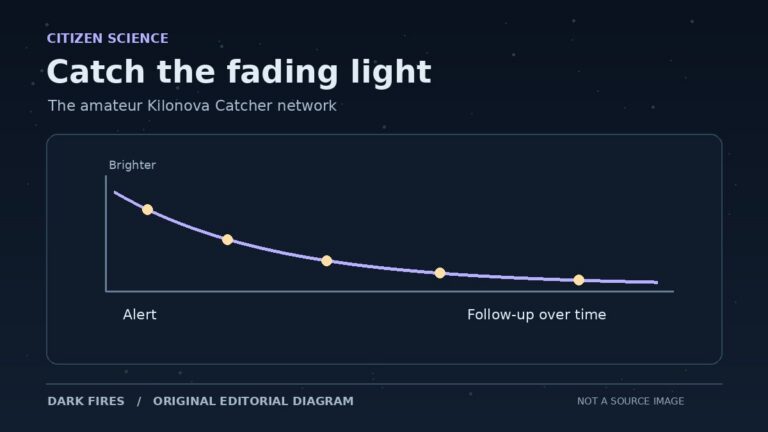
How Amateur Telescopes Help Follow Up on Kilonova Alerts
A gravitational-wave alert can tell astronomers that something happened without showing them exactly where the flash will appear. At the same time, an optical kilonova can fade within days. NASA’s…
-
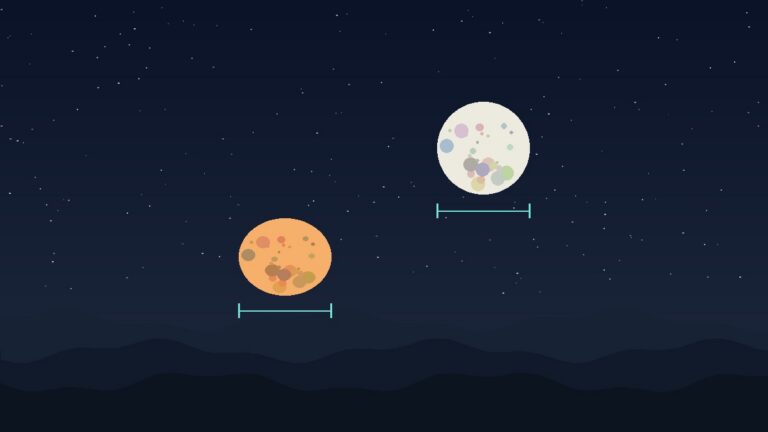
Why the Moon Looks Bigger at the Horizon: A Two-Photo Test
The Moon can look enormous when it clears a distant horizon. You can test how much its apparent width changes by taking a second photo later the same night. Choose…
-
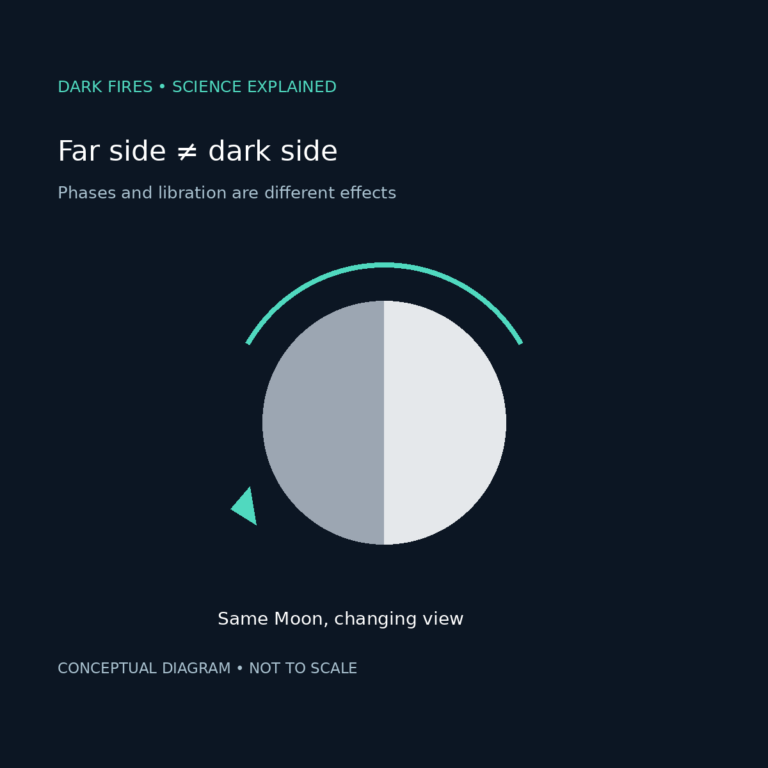
Why the Moon’s far side is not its dark side
The Moon’s far side describes where it faces, not whether sunlight reaches it. The hemisphere generally turned away from Earth experiences daylight and night just as the near side does.…
-
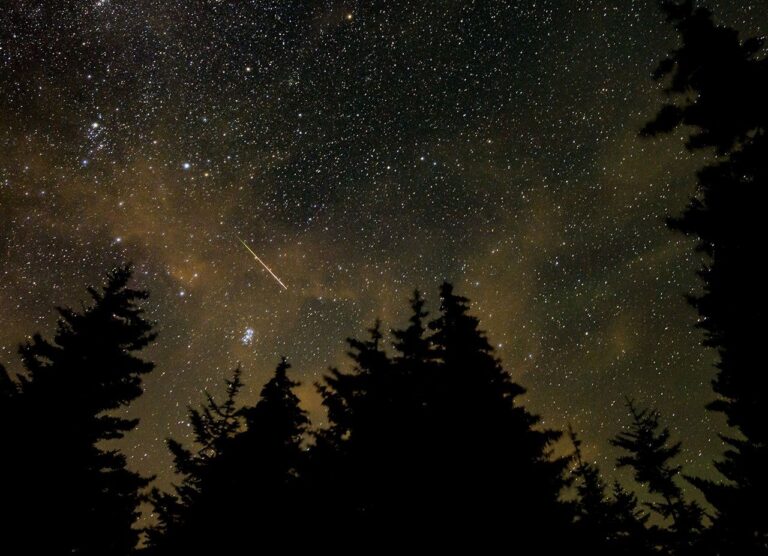
Four NASA Cameras Trace November 5 Fireball Across the Tennessee Region
Context photograph: a Perseid meteor over West Virginia in August 2021, photographed by NASA’s Bill Ingalls. This is not the November 5, 2026 Tennessee event. A bright meteor reported over…
-
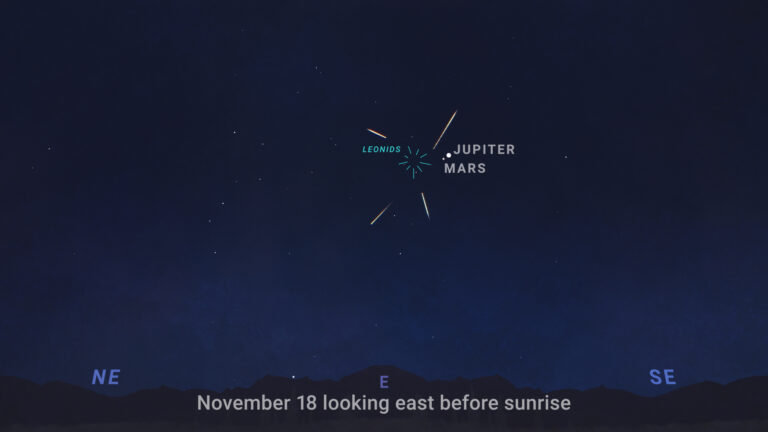
November’s Next Skywatching Targets: Taurids, Leonids, and a Mars–Jupiter Pairing
Three upcoming dates offer different reasons to step outside. NASA’s November skywatching guide, published November 2 and updated November 3, highlights two meteor showers and a bright planetary pairing. November…
-
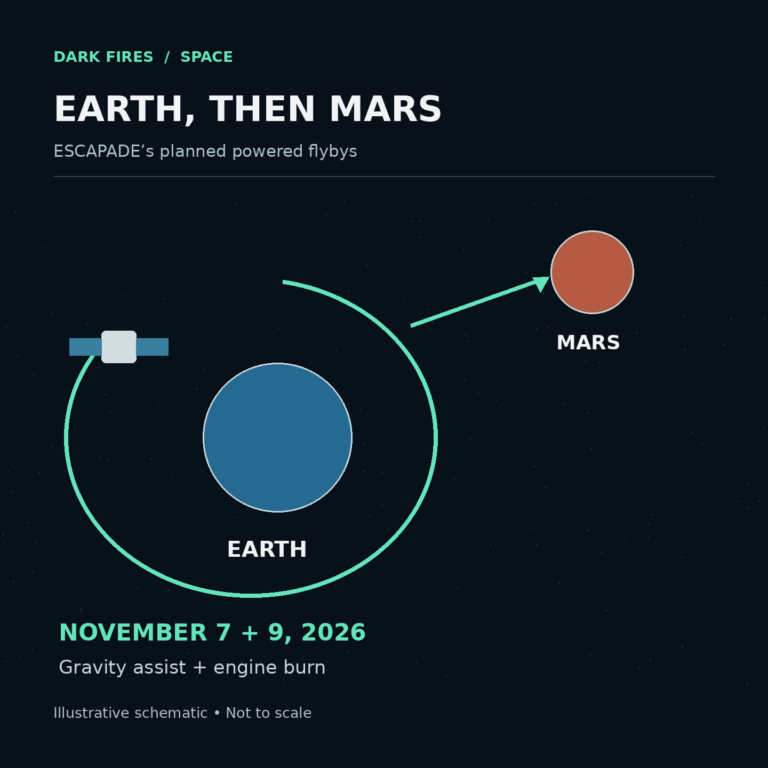
ESCAPADE’s November Earth Flybys Offer a Telescope Challenge Before Mars
Two spacecraft headed for Mars are about to return close enough to Earth to become an unusual observing target. NASA released ESCAPADE flyby star charts on November 2, 2026, ahead…
-
ESA and Astronomers Team Up to Reduce Satellite Interference
ESA and the IAU’s dark-sky centre will work on satellite design and operations to reduce optical and radio interference.
-
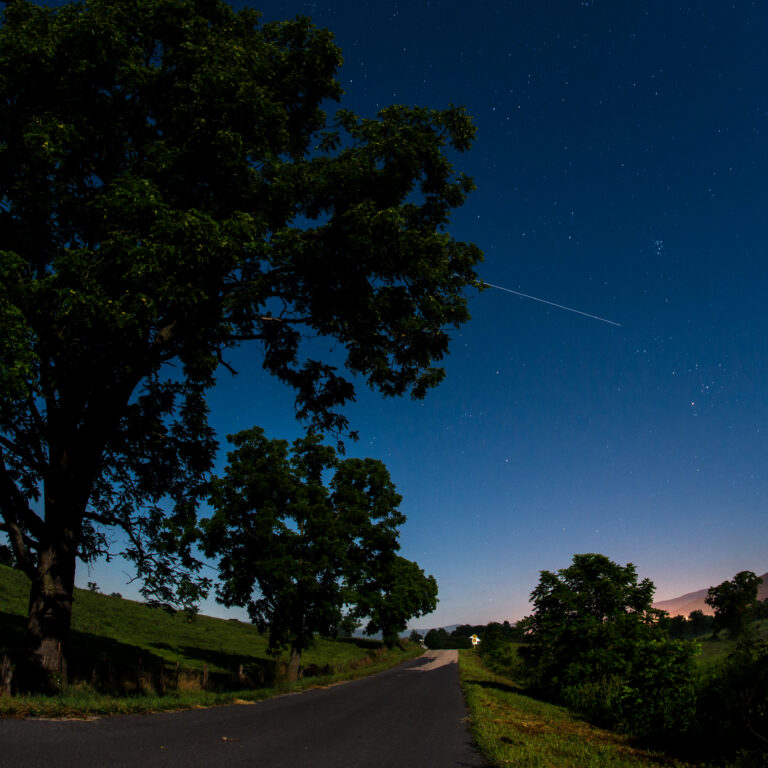
How to Spot the International Space Station From Your Backyard
A bright point crossing the evening sky may be the International Space Station. NASA’s local pass predictions make it possible to plan a sighting and check what you saw.
-
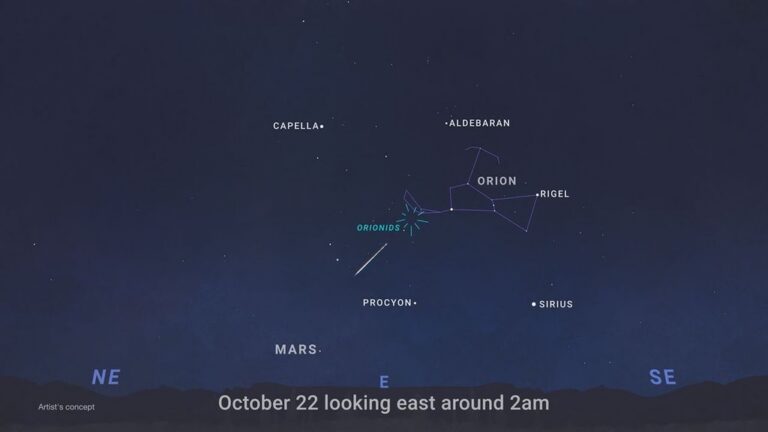
Orionid Meteor Shower 2026: When to Look and What to Expect
The Orionids peak on October 21–22, but a bright Moon will make timing important. Here is how to give yourself the best chance of seeing fragments of Halley’s Comet.