Dark Fires / Topics
Space & Astronomy
Explore space missions, planets, stars, galaxies, and the science behind new discoveries, with reporting grounded in observatories, mission teams, and published research.
-
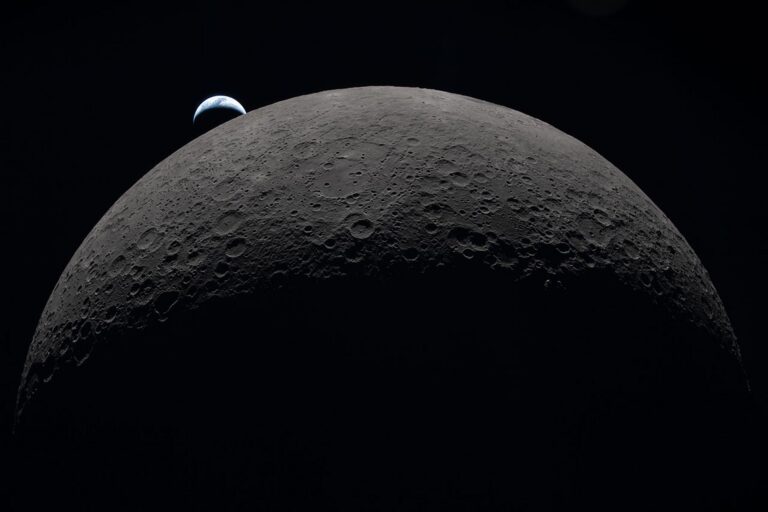
NASA Opens Artemis II’s Lunar Science Archive for Public Study
The first Artemis II science archive release includes more than 800 gigabytes of imagery, audio and crew observations from April’s lunar flyby.
-
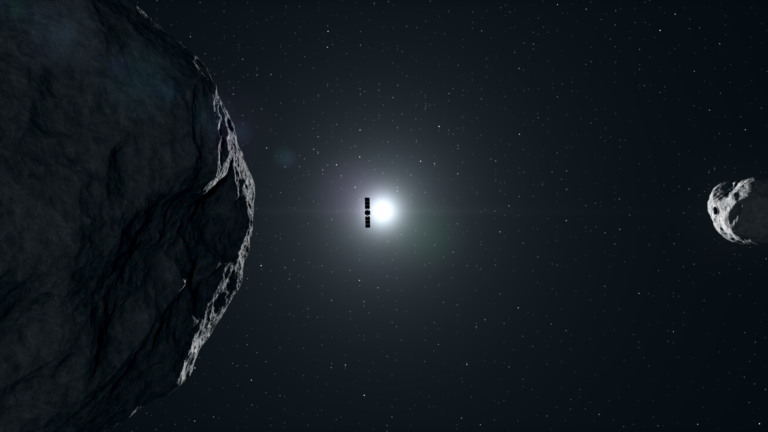
Hera Prepares for Long Braking Burns Before Its Asteroid Rendezvous
ESA’s Hera spacecraft is preparing to slow down near Didymos and Dimorphos, ahead of its investigation of the asteroid altered by DART.
-
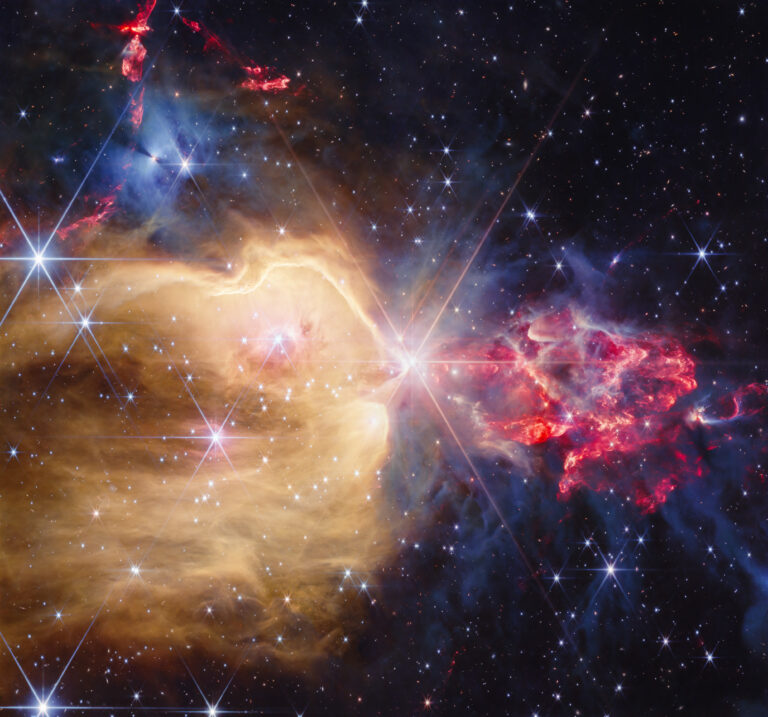
Webb Reveals Young Stars Reshaping the NGC 7129 Nebula
A new infrared portrait of NGC 7129 shows how growing stars carve cavities, drive shocks and change the gas around them.
-
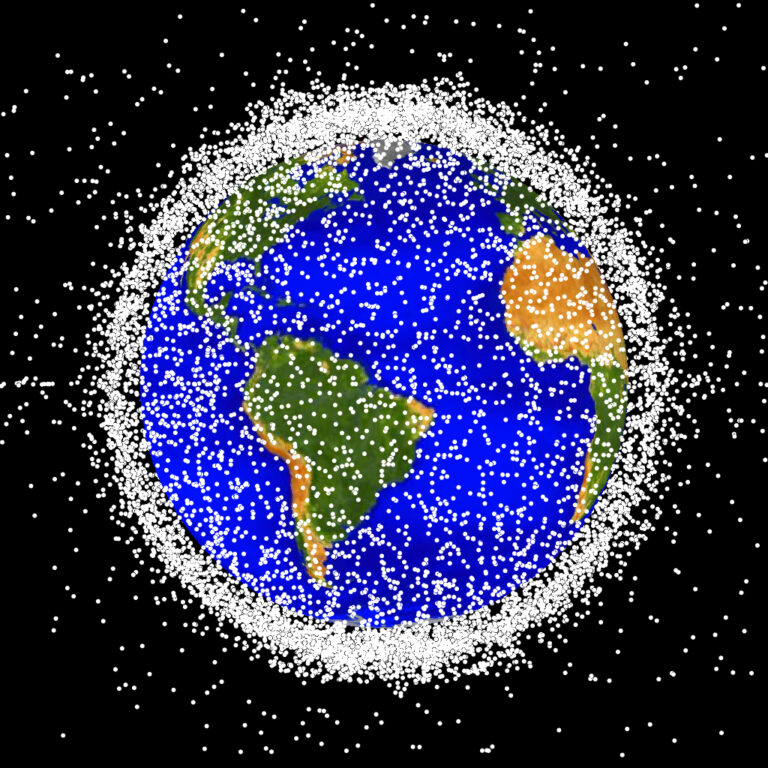
SSPICY Launches to Test Close-Up Inspections of Inactive Satellites
NASA’s SSPICY mission launched October 1 to test autonomous inspections of inactive satellites, laying groundwork for future repairs and debris removal.
-
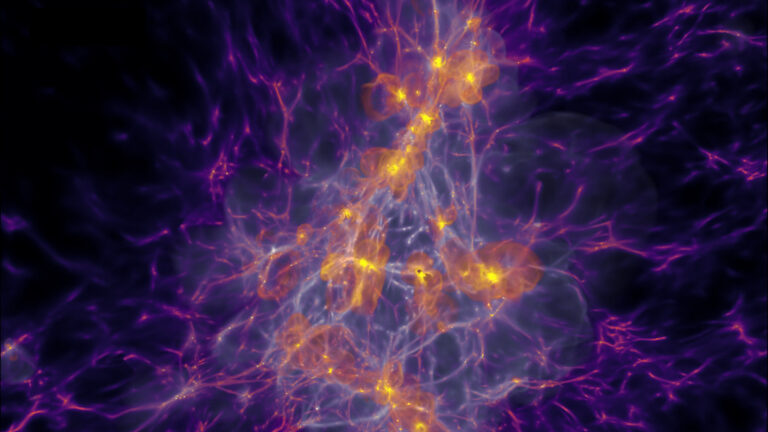
MEGATRON Connects the First Stars to Chemical Clues in Nearby Galaxies
Newly published MEGATRON simulations connect the chemistry of ancient stars with early galaxies, offering testable clues about the universe’s first light.
-
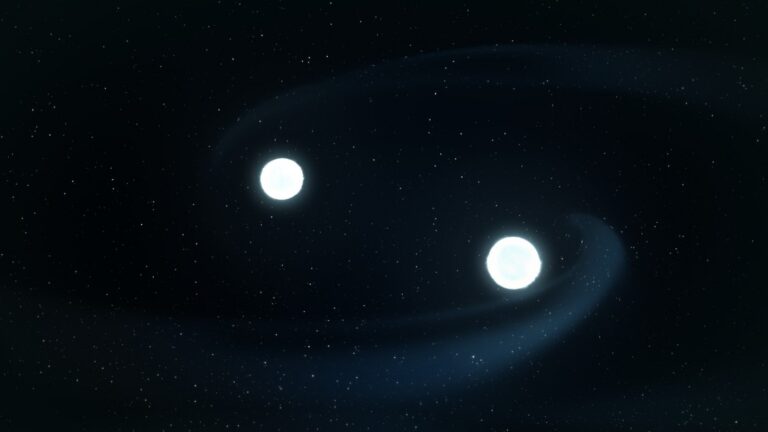
A Ten-Minute X-Ray Flash Reveals the Longer Life of a Stellar Collision
A short gamma-ray burst hid nearly ten minutes of X-ray activity. New research links the signal to a stellar merger and a possible newborn magnetar.
-
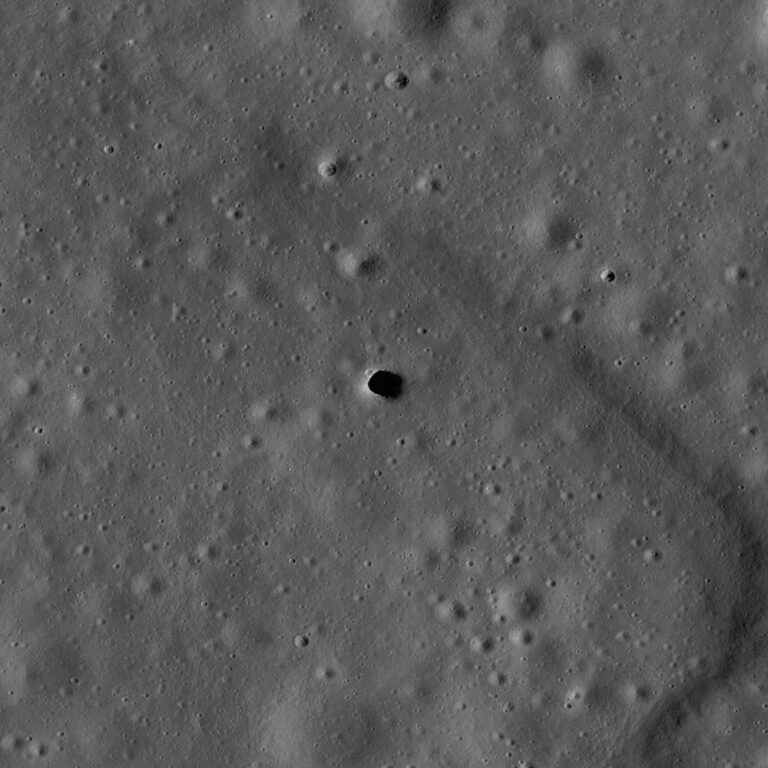
GIMLI Will Test Whether a Lunar Pit Opens Into a Hidden Lava Tube
NASA has selected GIMLI to probe beneath the Marius Hills Pit, testing a possible lunar cave while reading the Moon’s volcanic history from the surface.
-
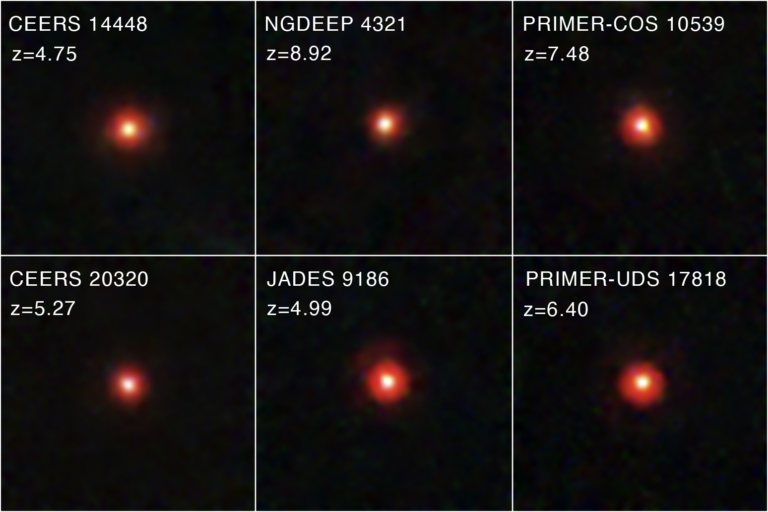
Webb’s Little Red Dots Put Early Black-Hole Measurements to the Test
NASA’s October 9 overview highlights an unsettled question: how do astronomers weigh the hidden engines inside the early universe’s compact red sources?
-
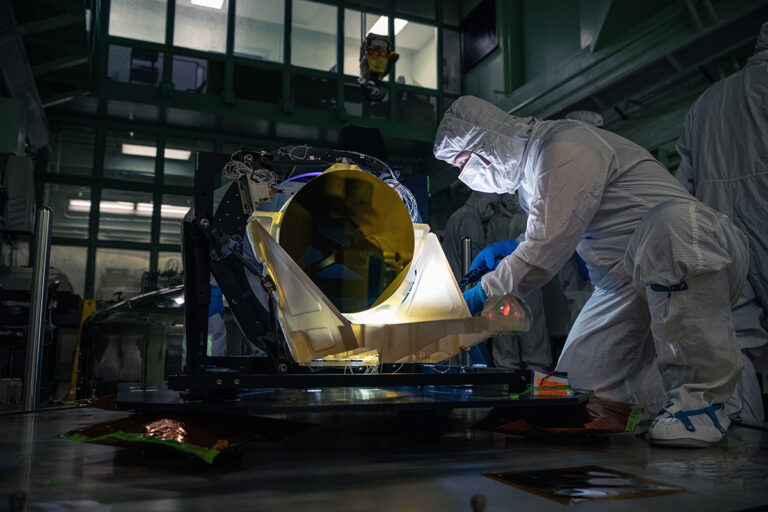
NASA Advances the Telescope That Will Link LISA’s Spacecraft
An October 8 hardware update moves LISA toward its next test telescope. The instrument will help measure gravitational waves across a triangle millions of kilometres wide.
-
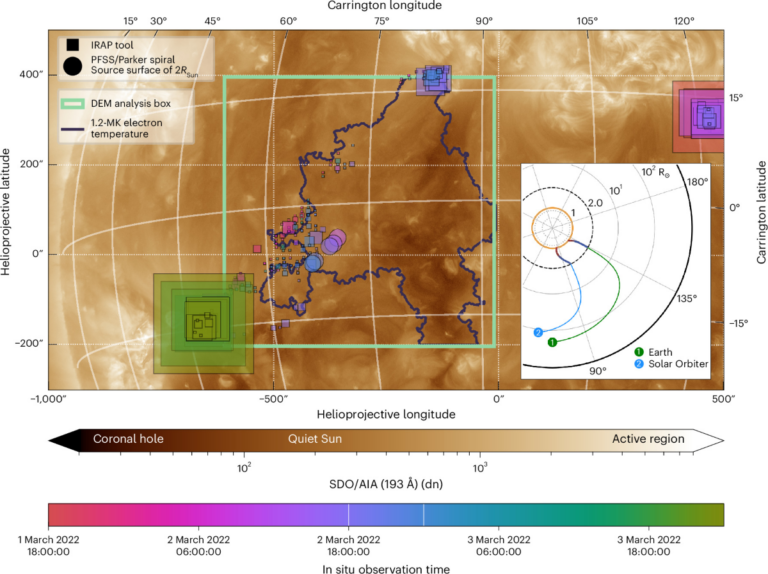
Solar Orbiter Uses Particle Fingerprints to Trace a Magnetic Switchback
A new study connects a reversal in the solar wind’s magnetic field to hot loops near the Sun, while showing how waves can shape its later journey.