Dark Fires / Topics
Space & Astronomy
Explore space missions, planets, stars, galaxies, and the science behind new discoveries, with reporting grounded in observatories, mission teams, and published research.
-
A Cold Giant Around HIP 88962 Tests How Planets Grow
A newly reported giant planet offers a demanding test for theories of planet formation. In a paper posted November 11, 2026 and listed as in press at The Astrophysical Journal…
-
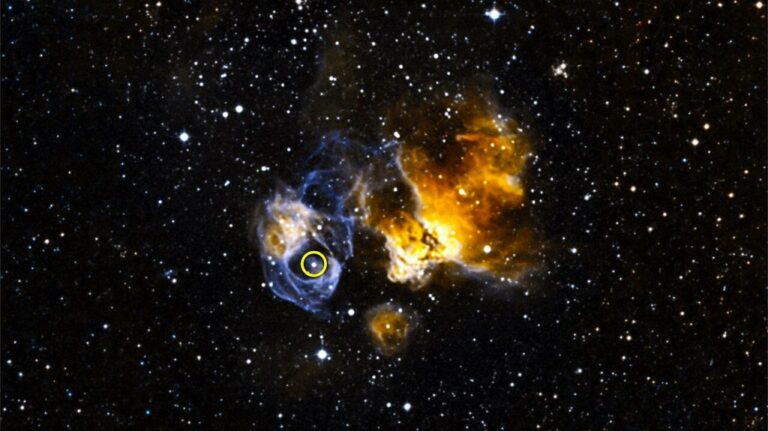
A Gap in Merging Black Hole Masses Points Toward Stars That Failed to Explode
A concentration of merging black holes near ten solar masses, followed by a relative scarcity at somewhat higher masses, may preserve a clue to how massive stars die. A study…
-
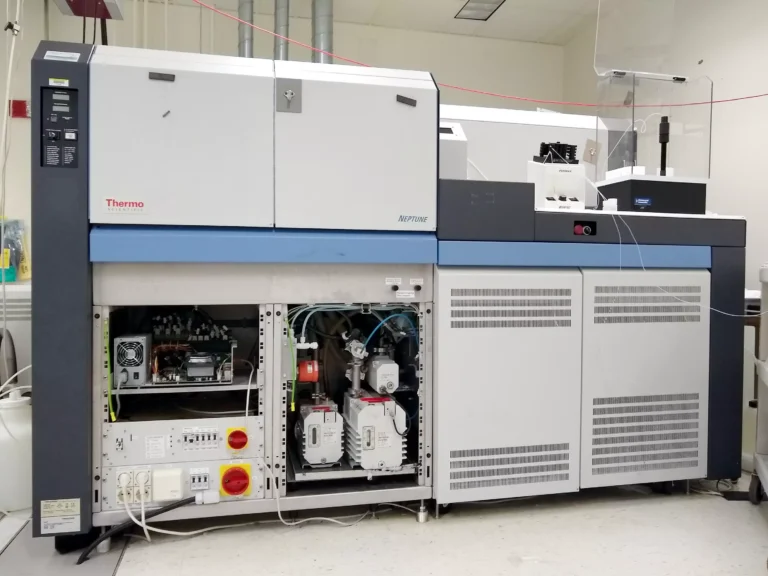
Bennu’s Beta-Alanine Shows Why a Molecular Average Can Hide Its History
Two samples can share nearly the same average carbon-isotope signature yet preserve different chemical histories inside individual molecules. That is the central lesson of a beta-alanine study comparing asteroid Bennu…
-
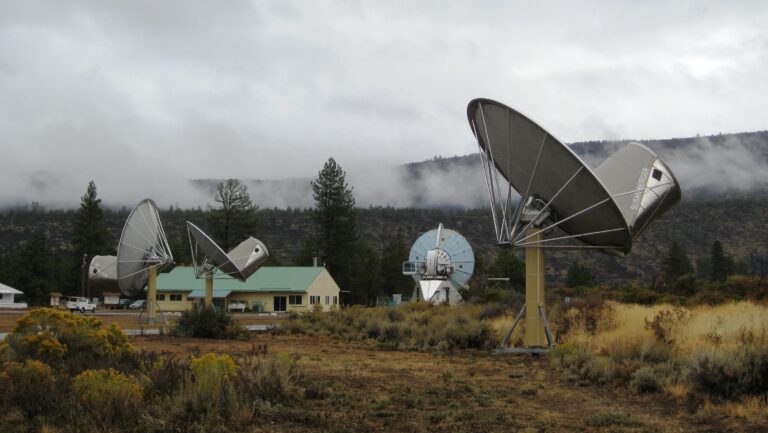
Eight-Minute Radio Pulses Trace an Unusual White Dwarf and Sun-Like Companion
A repeating radio source now has a more specific physical explanation: a white dwarf paired with a star resembling the Sun. The result, reported by ICRAR on November 12, 2026,…
-
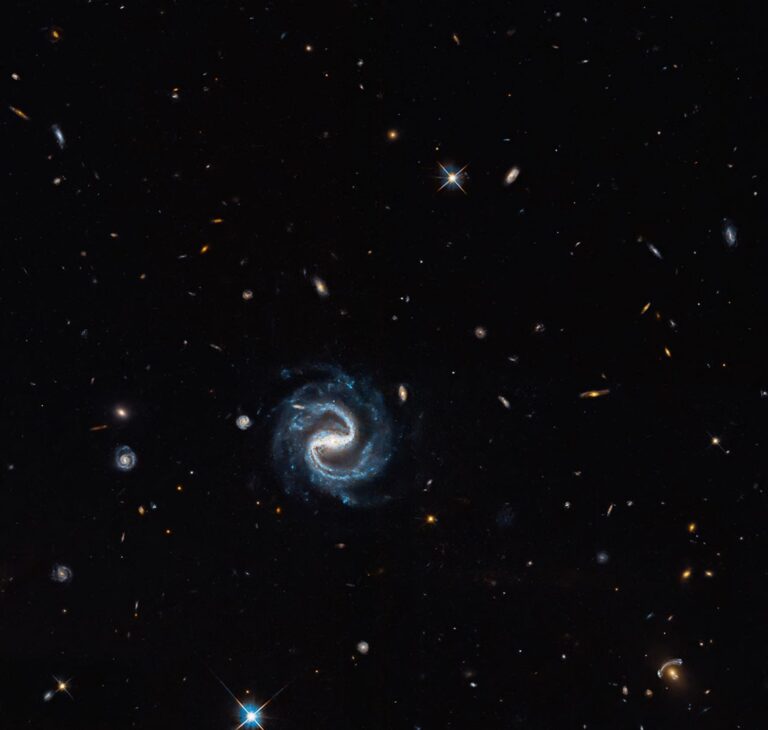
Roman Aligns Its Instruments Before the Harder Test of Suppressing Starlight
NASA reported on November 13, 2026 that the Nancy Grace Roman Space Telescope has aligned its instruments, a commissioning milestone rather than the start of its full science program. The…
-
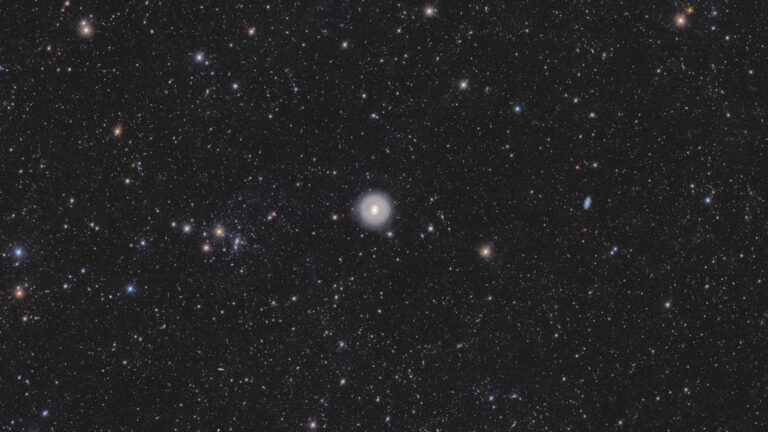
Euclid Opens Its DR1-Foundation Archive: A Billion Objects, Not a Finished Dark-Universe Answer
Euclid’s November 12, 2026 data release is a change in scale, not a declaration that dark matter or dark energy has been solved. DR1-Foundation makes a vast new observing record…
-
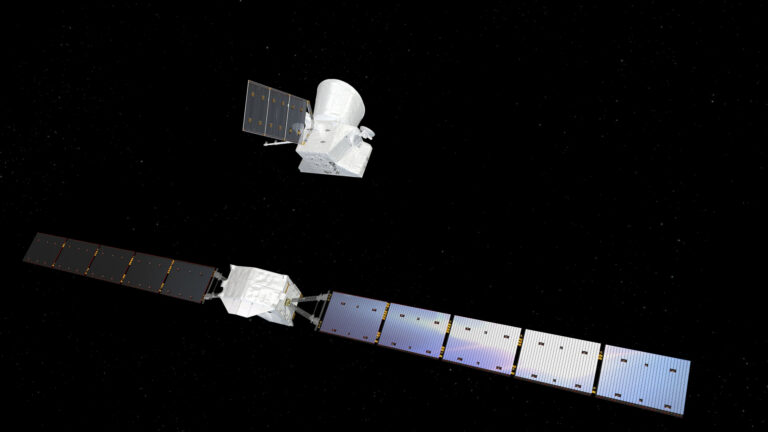
BepiColombo Nears Mercury Capture, but Its Full Science Campaign Comes Later
BepiColombo’s next major milestone is approaching: Mercury orbit insertion is scheduled for November 21, 2026. That is an upcoming maneuver, not an accomplished arrival. It also should not be confused…
-
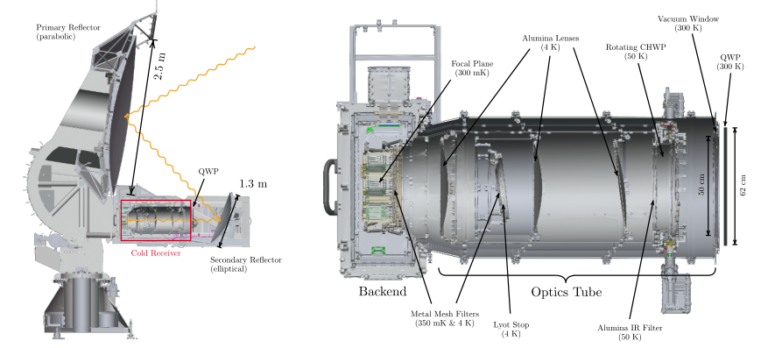
Simons Array Pushes a Search for Circularly Polarized Cosmic Light to Smaller Scales
A new Simons Array analysis expands a difficult search in the oldest observable light: circular polarization in the cosmic microwave background. The result is not a detection. It is a…
-
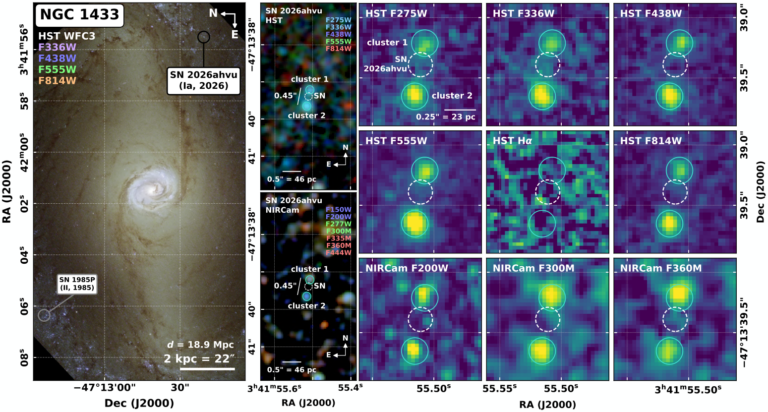
A Young Stellar Neighborhood Makes SN 2026ahvu a Prompt-Supernova Candidate
A newly reported Type Ia supernova in NGC 1433 may offer an unusually direct way to measure how quickly an exploding white-dwarf system can form. The important word is may:…
-
A Compact Quasar Pair Puts Early Black-Hole Growth Under a Closer Lens
Two bright sources in the young universe are presenting astronomers with a combined problem: explaining how enormous black holes grew early, and why two were active so close together. The…