Dark Fires / Topics
Guides
Practical guides to checking UFO evidence, reading claims about life beyond Earth, and using astronomy tools.
-
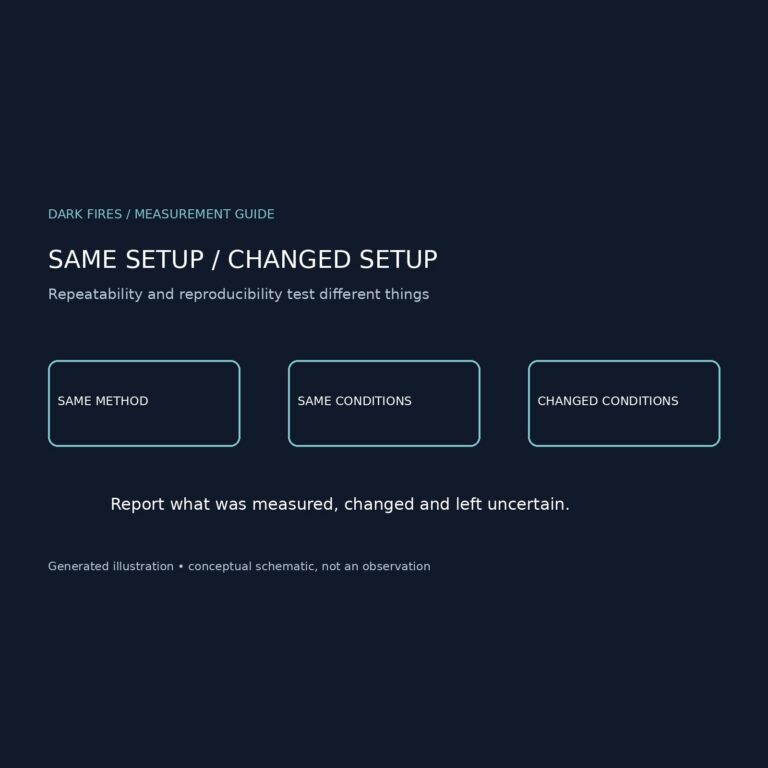
Repeating a Measurement and Independently Checking It Are Different Tests
Getting the same answer twice can be reassuring, but it matters what changed between attempts. NIST’s measurement terminology distinguishes repeatability from reproducibility. Repeatability concerns successive measurements under the same conditions,…
-
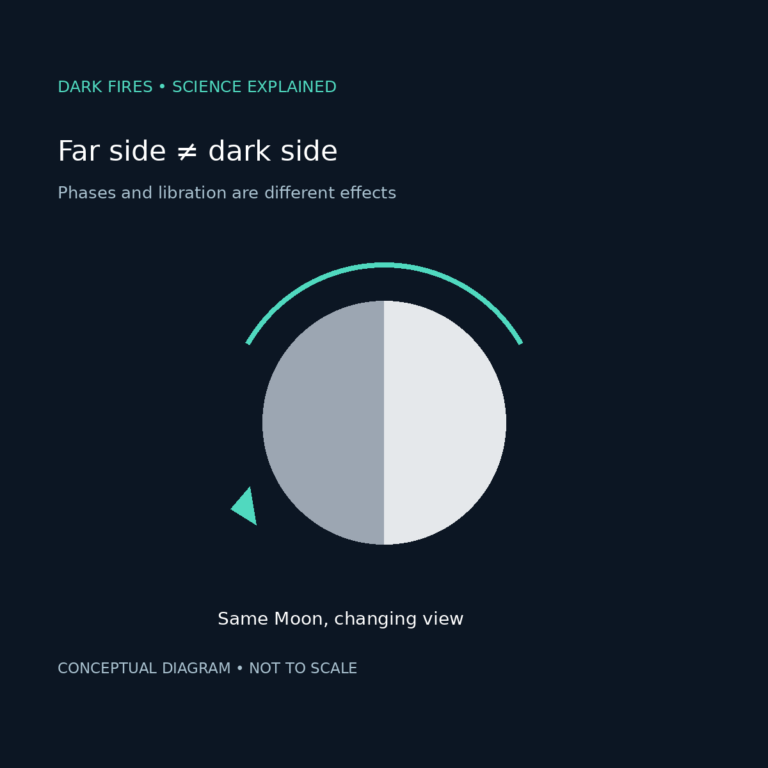
Why the Moon’s far side is not its dark side
The Moon’s far side describes where it faces, not whether sunlight reaches it. The hemisphere generally turned away from Earth experiences daylight and night just as the near side does.…
-
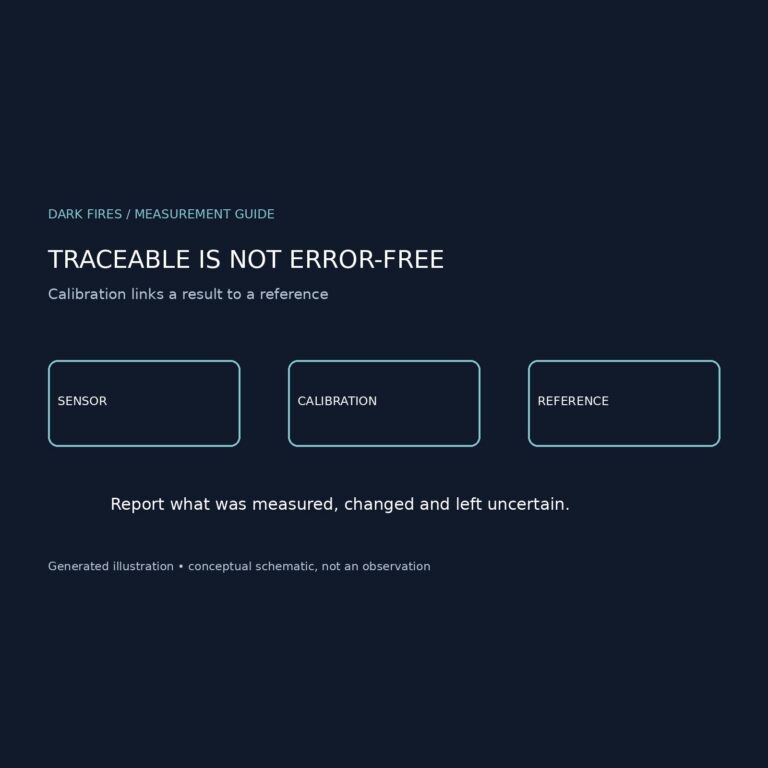
A Calibration Certificate Is Not a Complete Uncertainty Budget
Calling a camera or sensor “calibrated” is a starting point, not a guarantee that every later measurement answers the question being asked. NIST defines metrological traceability as a property of…
-
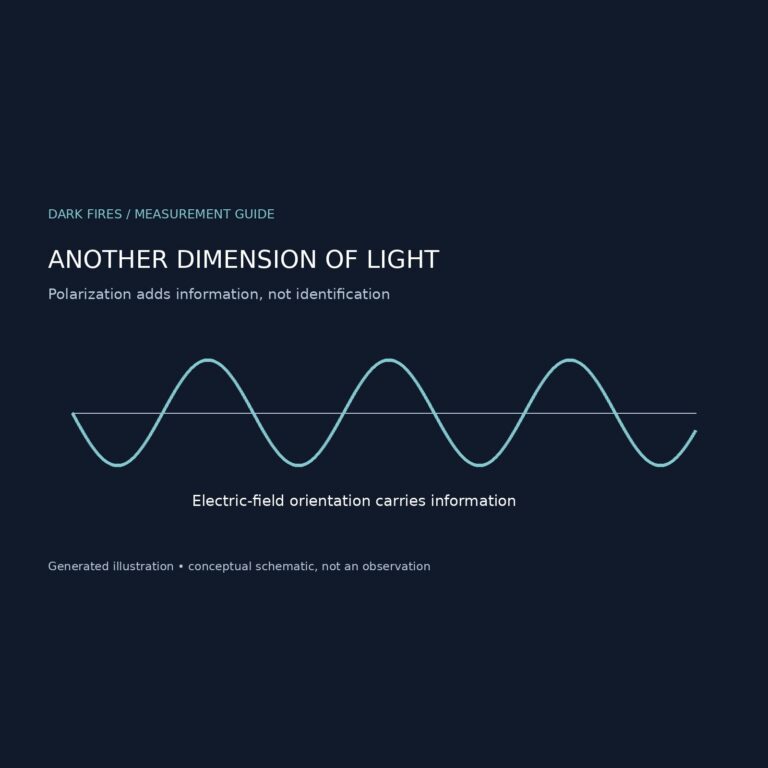
Polarization Adds Information, Not an Automatic UAP Identification
Brightness and color are not the only measurable properties of light. Polarization describes the orientation behavior of its electric field and can preserve information about the light’s source and interactions…
-
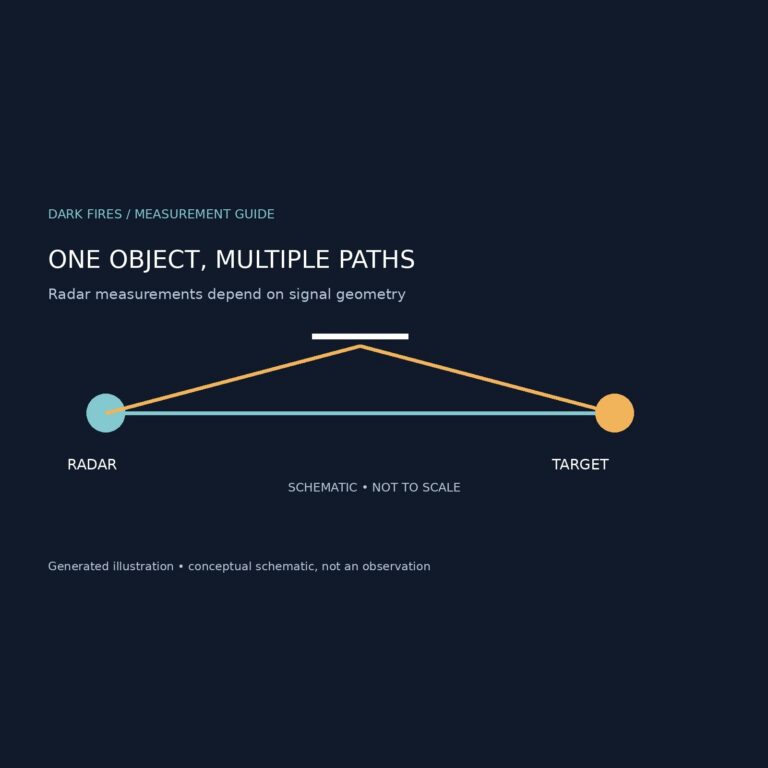
Radar Multipath: When One Object Can Produce More Than One Detection
A radar return is a measurement of a signal’s journey, not a photograph of an object. If that journey includes an extra reflection, the displayed detection can appear somewhere the…
-
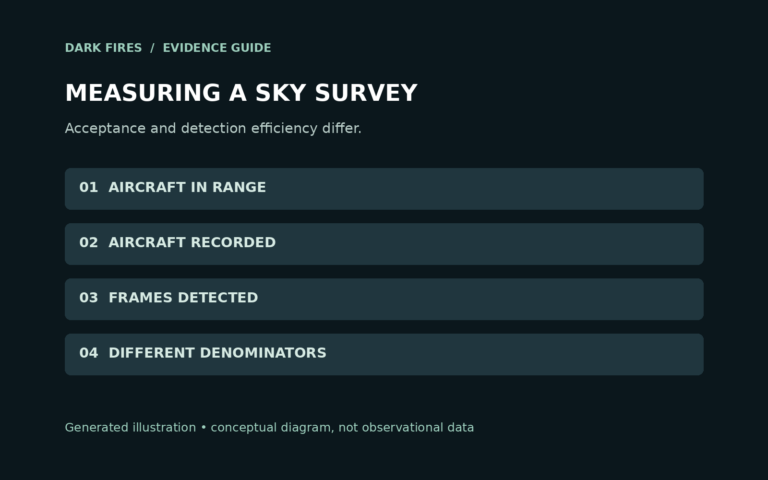
Why a Sky Survey Must Measure What It Misses
An automated sky survey cannot be judged only by the objects it flags. It must also measure how often ordinary, independently known objects pass through without becoming usable detections. A…
-
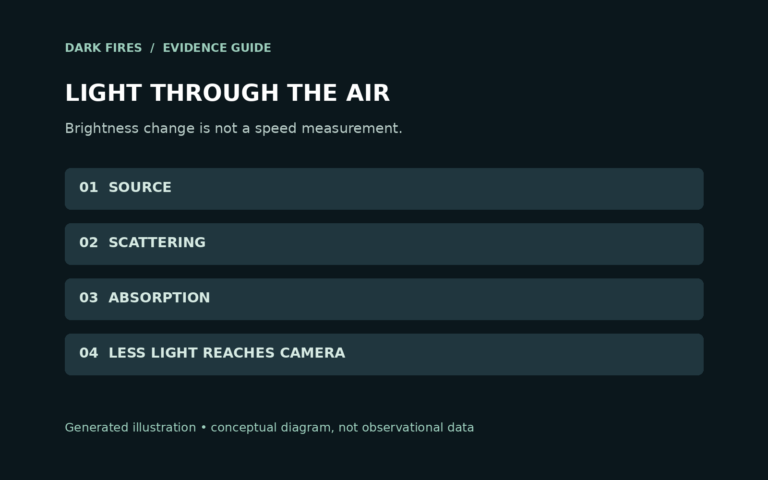
A Fading Sky Light Does Not Measure Its Speed
When a light fades from view, the observation establishes a change in received brightness. It does not, by itself, establish how quickly the source moved or even whether it moved…
-
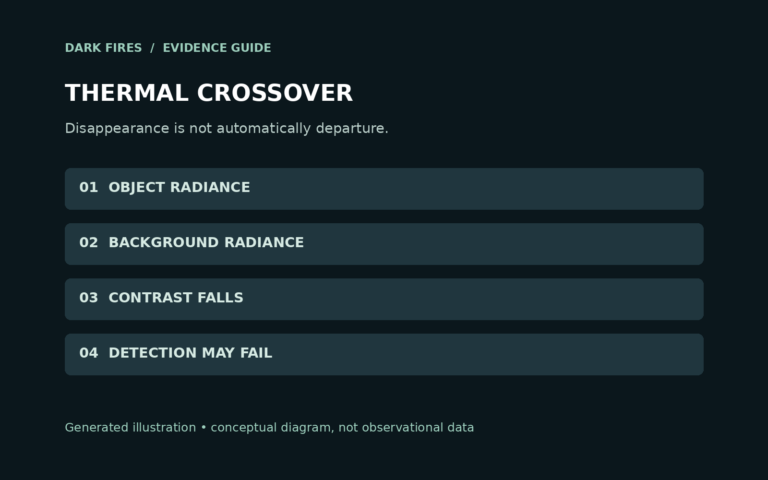
Thermal Crossover: When Infrared Contrast Fades
An object can become difficult to distinguish in a thermal image without leaving the scene. One reason is thermal crossover: conditions in which a target and its surroundings produce too…
-
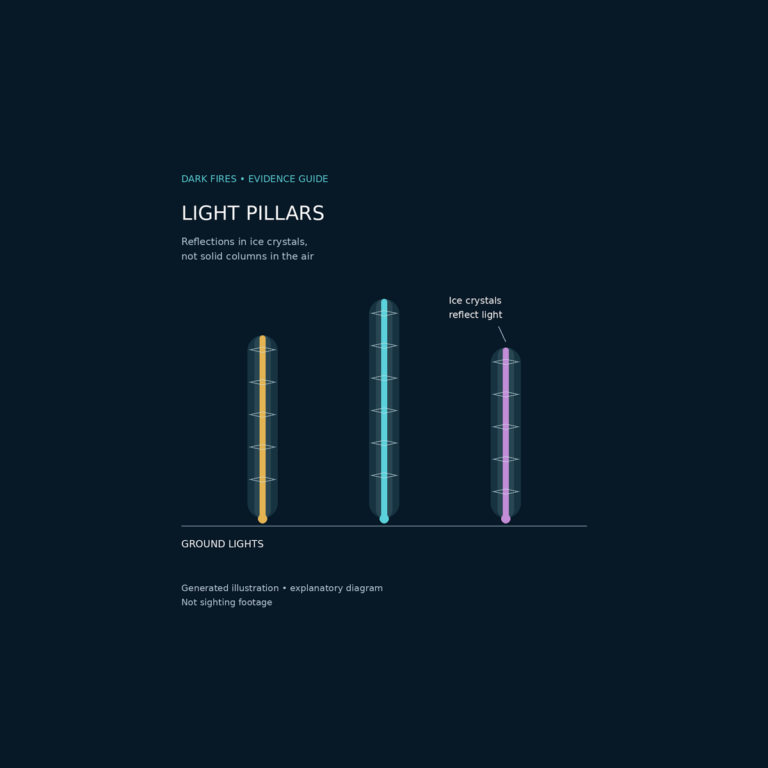
Light Pillars: Testing a Vertical Beam Before Calling It a Craft
A vertical glow above a town can look like a searchlight, a descending object or a structure hanging in the sky. Before assigning it a vehicle, test a different possibility:…
-
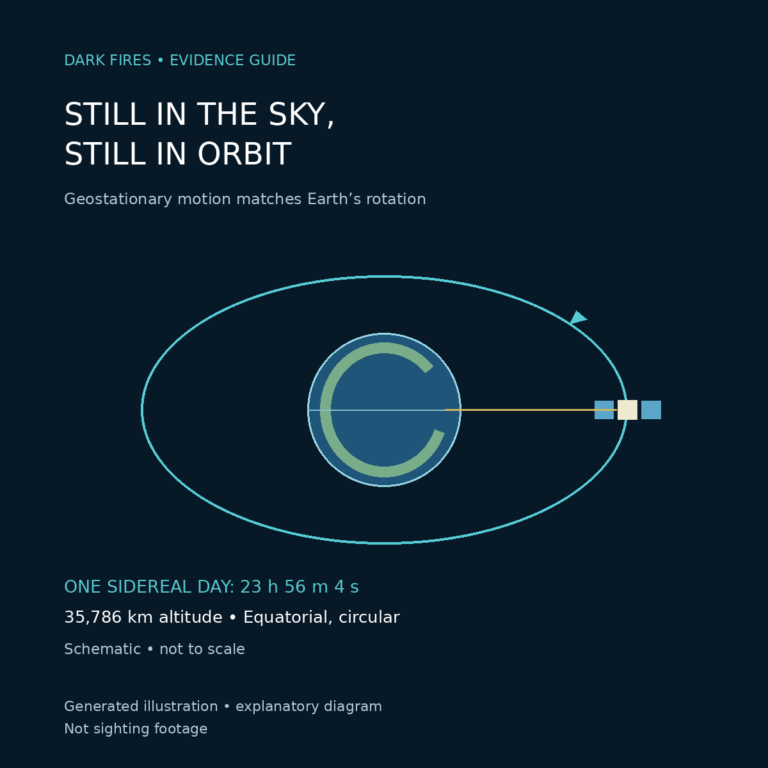
A Stationary Sky Light Can Still Be Moving: The Geostationary Orbit Test
“It stayed in the same place” is an observation, not a propulsion measurement. A satellite can move rapidly around Earth while remaining almost fixed relative to an observer on the…