Dark Fires / Topics
Space & Astronomy
Explore space missions, planets, stars, galaxies, and the science behind new discoveries, with reporting grounded in observatories, mission teams, and published research.
-
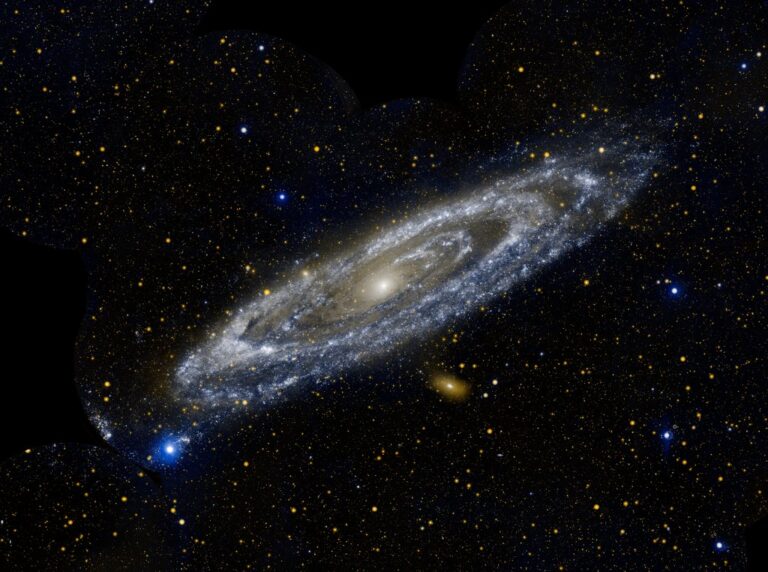
UVEX Clears NASA Review for a New Ultraviolet Map of the Sky
NASA has confirmed the ultraviolet observatory for a launch by January 2031, combining an all-sky survey with rapid responses to cosmic explosions.
-
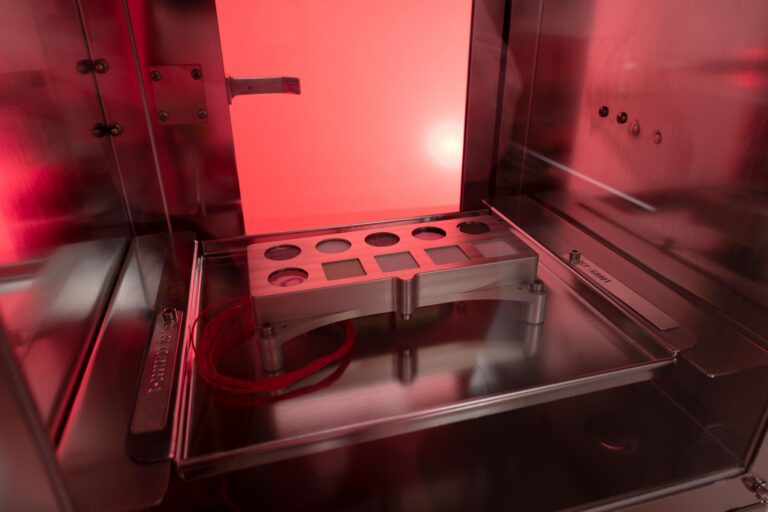
Perseverance’s Spacesuit Swatches Reveal Dust That Refuses to Shake Off
Rover-mounted material samples expose a practical Mars challenge: very small particles can remain attached even after years of activity.
-
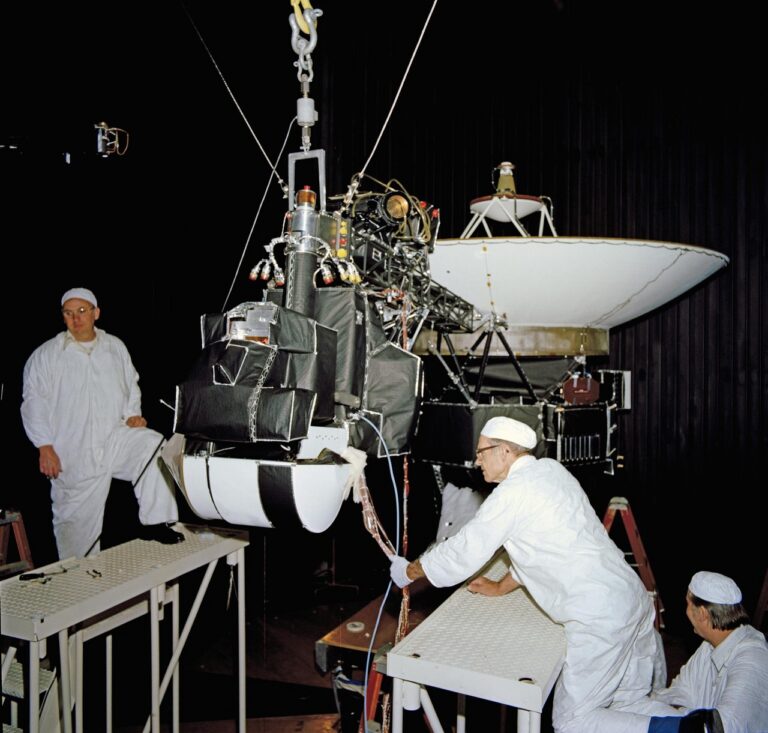
Voyager 1 Restores Contact as Its One-Light-Day Milestone Approaches
An October communications interruption resolved before troubleshooting commands were sent. The next distance milestone is expected November 18.
-
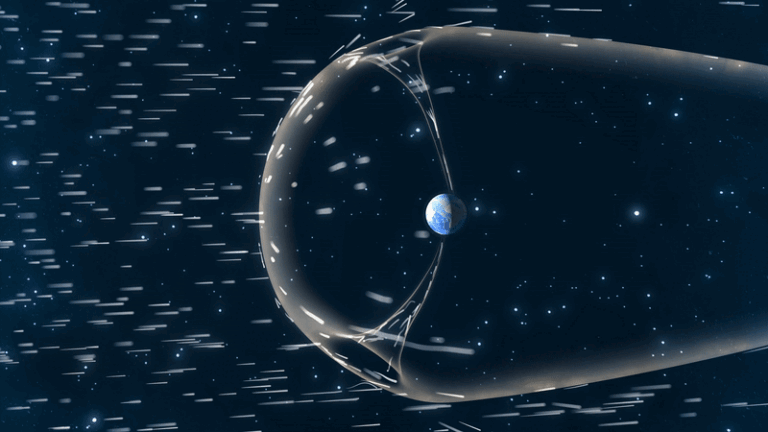
TRACERS Finds Spatial Variation Dominates Its First Cusp Survey
Twin-spacecraft measurements favor spatial changes over purely time-varying reconnection, but a larger sample is still needed.
-
Dark Fires Weekly: UAP Archives, Hubble Options and New ISS Power | October 25–31, 2026
A narrated weekly briefing: what Tehran and Michigan UFO archives actually establish, NASA’s Hubble inquiry, and new solar power aboard the ISS.
-
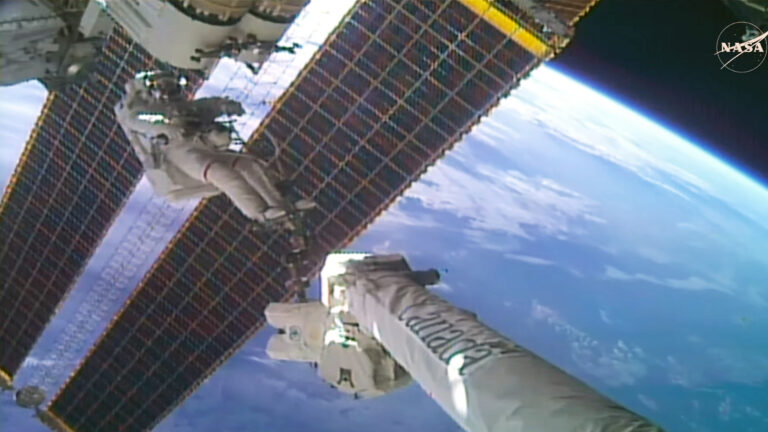
Seventh ISS Roll-Out Solar Array Is Generating Power After October 29 Spacewalk
The International Space Station has moved from receiving its latest power hardware to putting it to work. On October 29, 2026, NASA astronaut Anil Menon and Canadian Space Agency astronaut…
-
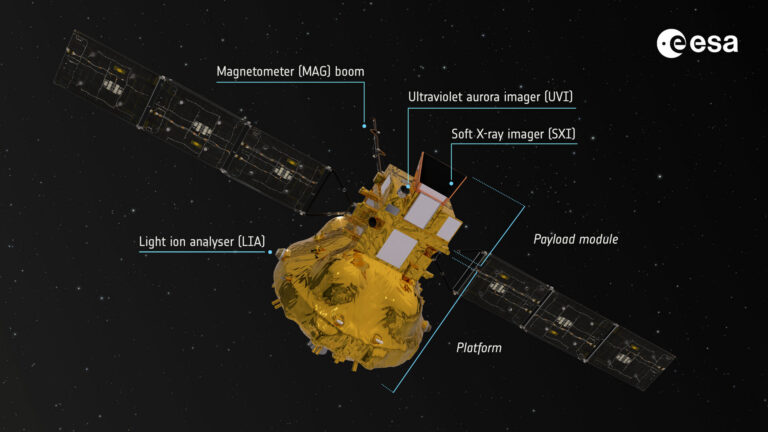
What Smile’s Full Auroral Ring Reveals—and What It Does Not
The European-Chinese Smile mission offers a planetary view of the northern lights. This review examines ESA’s September 30, 2026 commissioning report, not a newly announced October discovery. The report said…
-

Why the ELT Needs 931 Mirror Segments for a 798-Piece Mirror
The Extremely Large Telescope’s main mirror is not a single enormous disc awaiting delivery. It is an optical system assembled from hundreds of precisely shaped pieces—and maintaining it will require…
-
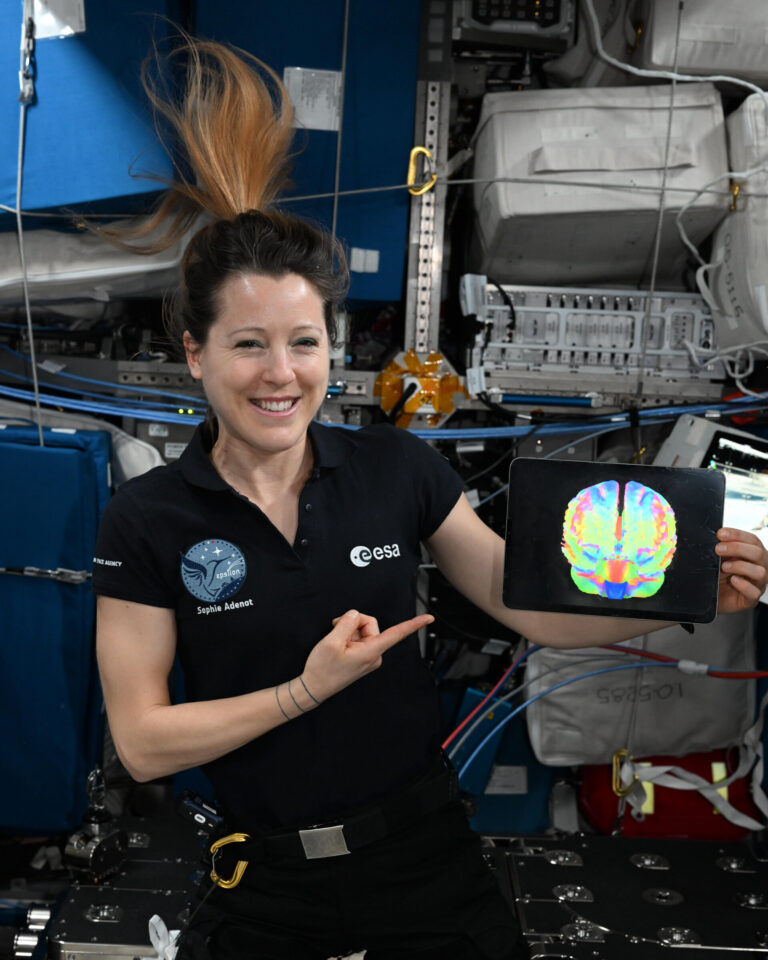
After 237 Days in Space, Brain Scans Track the Return to Gravity
Coming home does not end a spaceflight experiment. For researchers studying the brain, landing starts a second, time-sensitive observation window: the return to gravity. An ESA update published October 30,…
-
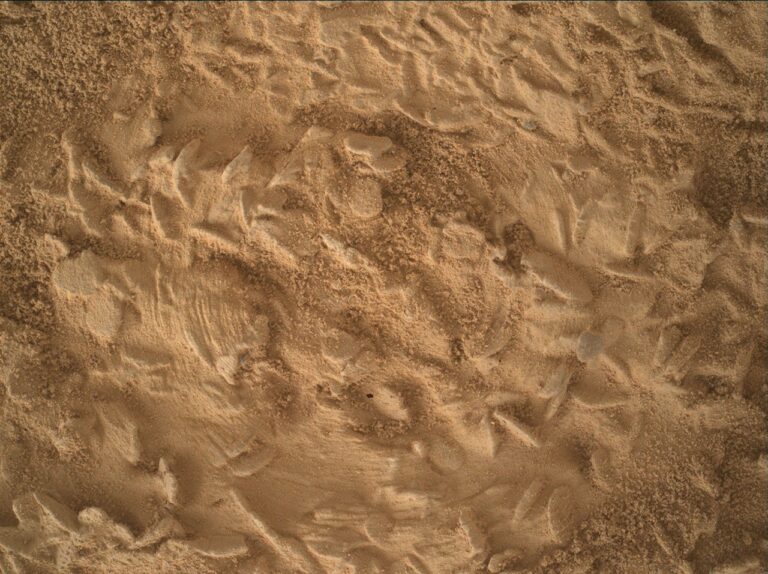
Curiosity’s Nazca Plan Turns Unusual Rock Shapes Into Testable Questions
Strange shapes in a Mars photograph are a reason to collect more information, not a shortcut to identifying what made them. Curiosity’s investigation of a rock target called Nazca shows…