Dark Fires / Topics
Space & Astronomy
Explore space missions, planets, stars, galaxies, and the science behind new discoveries, with reporting grounded in observatories, mission teams, and published research.
-
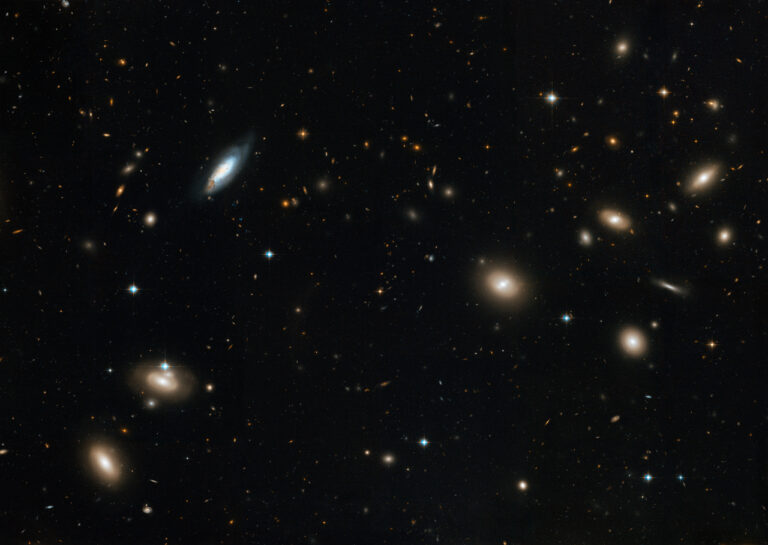
XRISM Finds Evidence for Opposing Gas Streams in the Coma Galaxy Cluster
A study published October 19 uses X-ray spectral details to separate fast-moving gas components inside the Coma galaxy cluster.
-
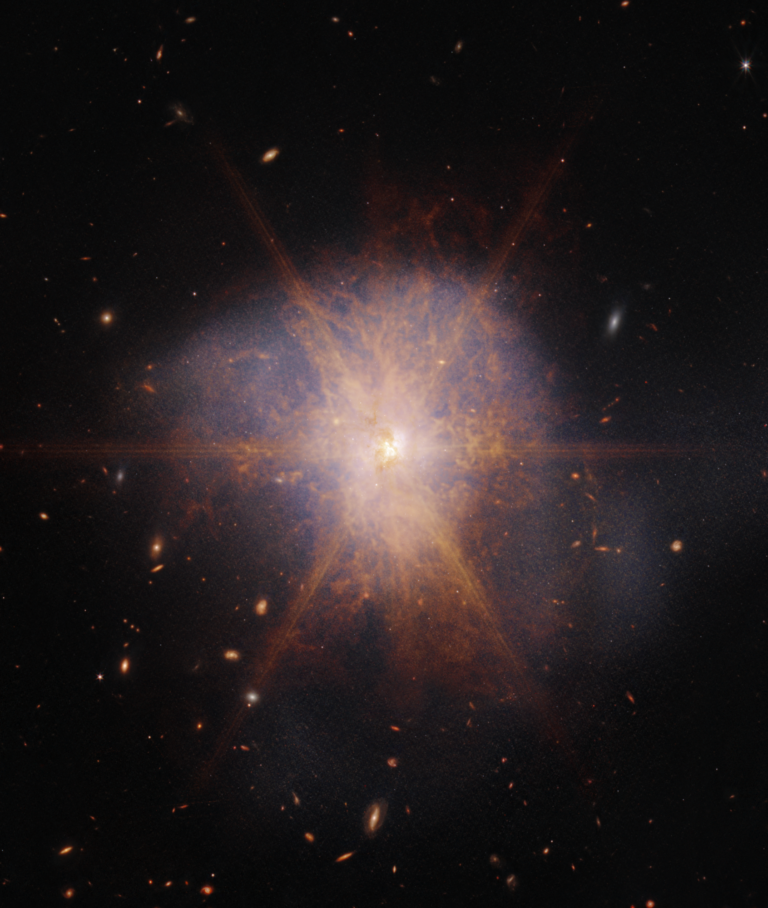
Webb Maps Water Ice Behind the Dust in Four Colliding Galaxy Systems
A new analysis separates obscuration and ice signatures across four infrared-bright galaxy systems, including Arp 220.
-
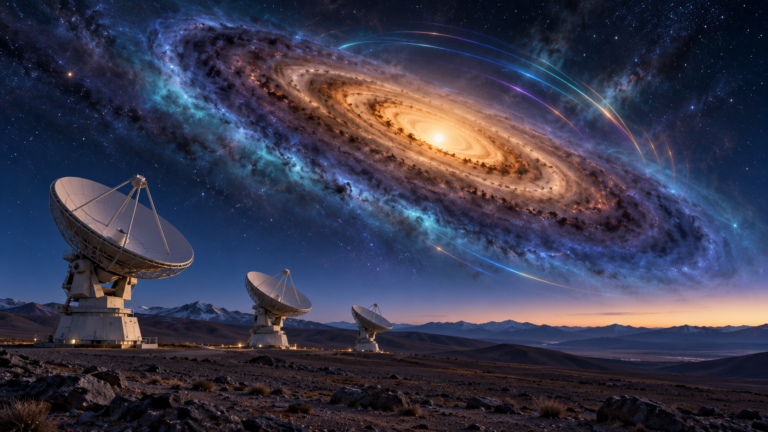
ALMA2040 Proposals Aim to Map the Chemistry That Builds Rocky Worlds
Two new white papers describe how a more sensitive radio array could trace planet-building molecules, while separating future ambitions from ALMA’s existing upgrade.
-
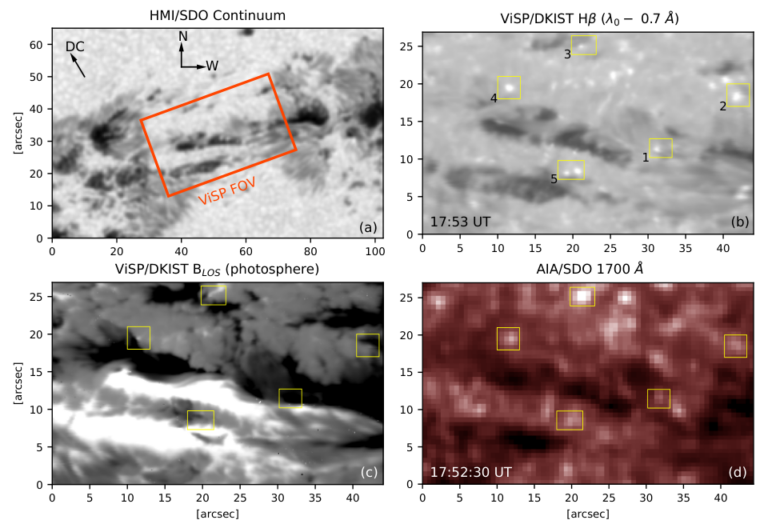
Inouye Telescope Finds Fresh Evidence for Magnetic Reconnection Close to the Sun’s Surface
Newly posted analysis of Inouye Solar Telescope observations links small solar brightenings to magnetic energy released deep in the atmosphere.
-

Two NASA-Backed Relay Experiments Reach Orbit on Bandwagon-5
Viasat and SES demonstrations launched on October 20 to test commercial links for spacecraft commands, tracking and large science-data transfers.
-

Galileo’s Next Generation Tests a Navigation Payload That Can Change in Orbit
ESA reports a successful test of a new Galileo signal module, designed to let future navigation satellites change their signals after launch.
-
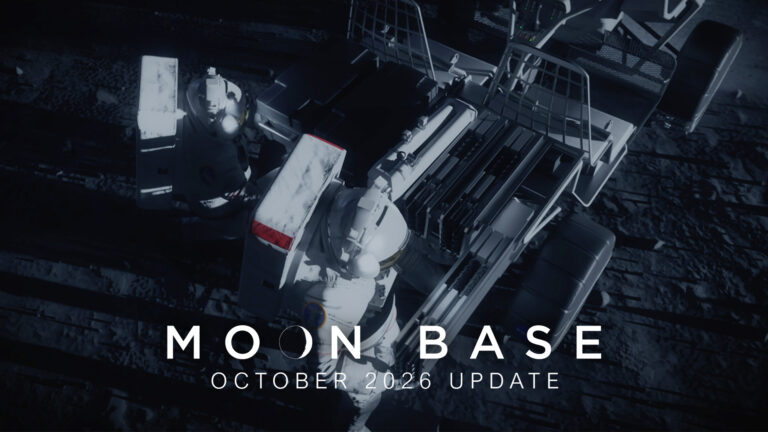
NASA’s Moon Rover Update Puts Crew Trials and VIPER Testing in Focus
NASA reports progress on VIPER and two crew-carrying lunar rovers, with ground testing still ahead of their planned Moon missions.
-
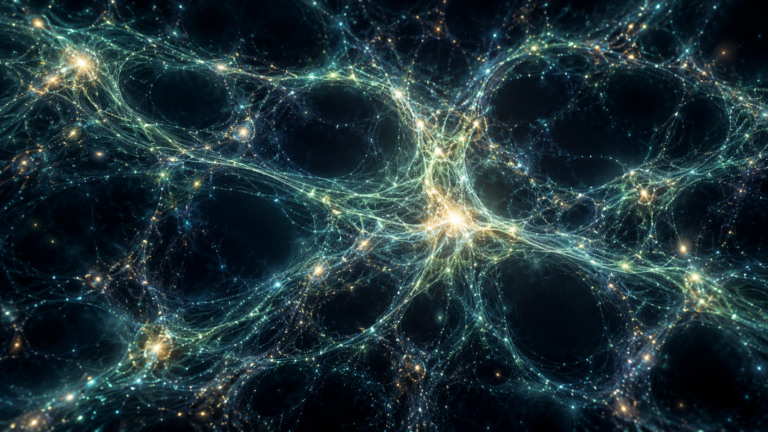
A Long-Lived Heavy Neutrino Could Have Altered the Early Universe’s Expansion
A theoretical study revisits a usually neglected particle in neutrino models, with consequences for calculations of the cosmic matter–antimatter imbalance.
-
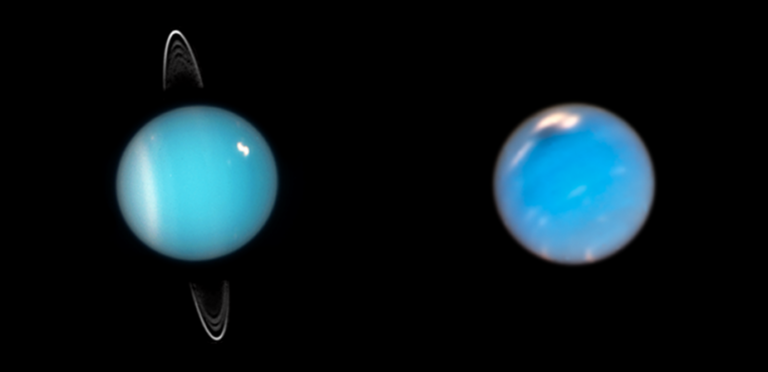
Uranus and Neptune May Have Formed From Chemically Different Building Blocks
Atmospheric models infer more deep oxygen in Neptune than Uranus, raising questions about whether the two planets shared the same material reservoir.
-
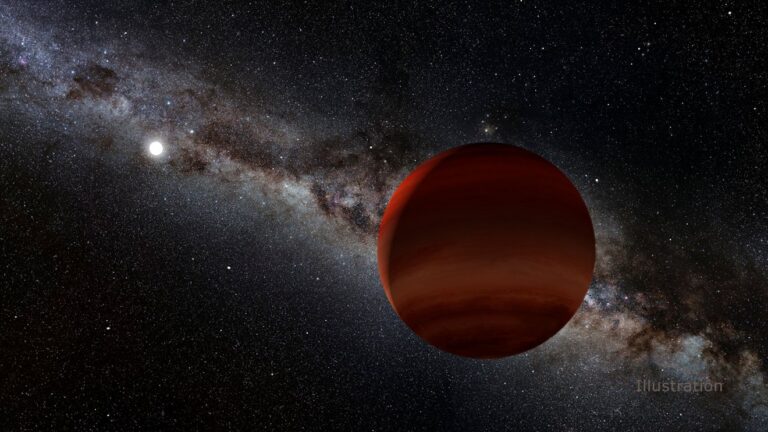
A Three-Hour Binary Offers a Close Look at an Intensely Heated Brown Dwarf
Follow-up observations refine a rare white-dwarf–brown-dwarf system whose eclipses make an extreme atmosphere easier to study.