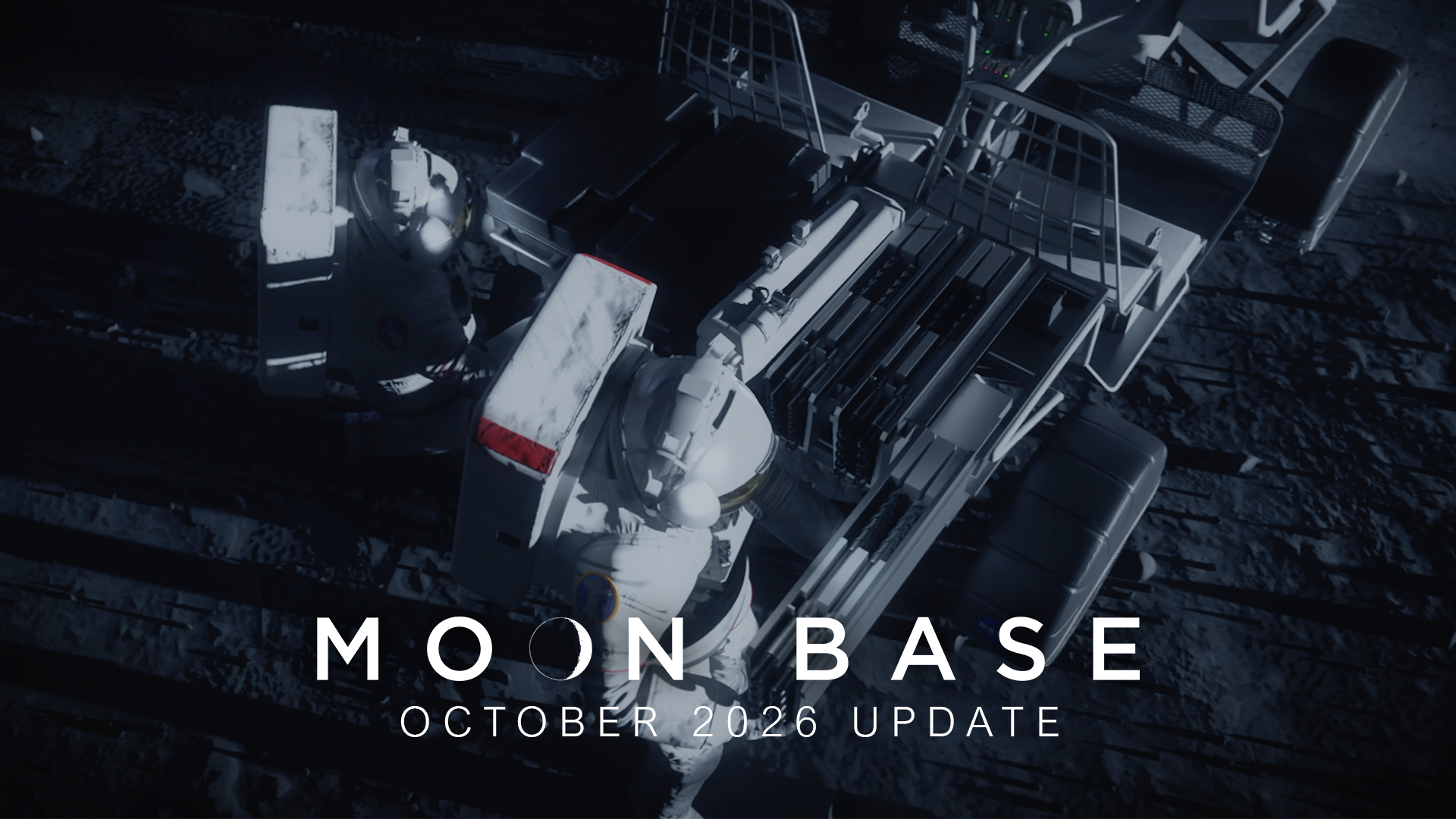
NASA’s next lunar rovers are moving through a less spectacular but essential stage of exploration: finding out whether vehicles, spacesuits and operating procedures work together. In an October 20, 2026 progress update, the agency said the fully assembled VIPER prospecting rover is undergoing final testing at Johnson Space Center, while commercial crew-rover designs are being evaluated with astronauts.
Testing the vehicles people will actually use
Astrolab has supplied a CLV-1 mockup to Axiom Space for astronaut evaluations using mock-up lunar suits. Lunar Outpost has delivered a static Pegasus mockup to Johnson for tests with pressurized suits. Both companies are preparing wheel and soil-interaction work at NASA Glenn, followed by trials of drivable mockups. NASA says flight-ready hardware remains targeted for the end of 2027.
These checks matter because a rover’s usefulness depends on more than whether its wheels turn. Crew members need to reach controls, move equipment and work around the vehicle while wearing bulky protective suits.
Mobility before and between astronaut visits
The broader plan was outlined in NASA’s May 26 announcement: Astrolab received a $219 million task order and Lunar Outpost received $220 million for the first phase of lunar terrain vehicles. The agency described an approach in which robotic driving, terrain characterization and equipment movement would help prepare the region before astronauts arrive.
A crew-capable rover can therefore serve two kinds of mission. It can extend an astronaut’s reach during a surface visit, while remote or autonomous operations can continue gathering information at other times. NASA’s stated objectives include identifying terrain hazards, moving materials and staging resources. Those are planned uses, and the earlier announcement set deployment by 2028 as the goal.
VIPER’s different job: examining the ice
VIPER is a scientific prospecting robot rather than an astronaut transport. NASA’s instrument description explains how its neutron spectrometer can flag hydrogen-rich ground for investigation. Hydrogen is a useful clue because water contains it, but that indirect signal needs follow-up measurements. A drill and additional instruments are designed to examine material and assess possible resources.
The rover also has headlights and cameras for working across strongly contrasting illumination. Its observations should connect measurements of potential ice with the terrain in which it occurs. Detecting a promising signal and establishing how accessible a deposit might be are different questions, both important to future exploration.
NASA’s latest schedule places VIPER’s South Pole mission in 2027, following delivery by a Blue Moon Mark 1 lander. The next convincing milestones will be the results of the testing campaign and, eventually, performance on the lunar surface.
NASA illustration of astronauts working beside a lunar terrain vehicle. This is an artist’s rendering, not a photograph of a mission. Credit: NASA.
Leave a Reply