The Robertson Panel is often invoked as either the moment science dismissed flying saucers or proof that officials decided to hide them. Its surviving records tell a more specific story: a short intelligence review that combined judgments about sightings with recommendations for changing how the public and military personnel responded to them.
A security review with a wider agenda
According to CIA historian Gerald K. Haines’s institutional history, physicist H. P. Robertson chaired a scientific panel in January 1953. The group examined Air Force case material and films. Haines describes meetings from January 14–17 and approximately twelve hours studying the phenomena.
The panel found no evidence that the sightings constituted a direct national-security threat or demonstrated extraterrestrial visitors. But it worried that excessive reporting, public alarm and possible hostile exploitation could disrupt air defence. Its concern therefore extended beyond the identity of individual lights in the sky.
What the recommendations actually proposed
The declassified meeting report, preserved in this Commons-hosted government scan, carries a February 16, 1953 memorandum date and labels its subject January 14–18. It distinguishes its meeting history and supplementary comments from the formal panel conclusions.
The supplementary discussion proposes two educational aims: training observers to recognize familiar objects and phenomena, and reducing public fascination through explanations of previously puzzling cases. It considers films, television and other media. It also recommends watching civilian UFO organizations because of their potential influence on public thinking.
These are documented recommendations. They should not be silently converted into proof that every suggested activity was implemented, or that the panel possessed concealed physical evidence of alien technology.
Secrecy created its own problem
Haines’s account describes CIA reluctance to acknowledge its sponsorship and resistance to releasing the complete report. It notes that a sanitized version removed references to the agency and psychological-warfare concerns. That history helps explain distrust without requiring an extraterrestrial explanation.
The useful distinction is between a scientific claim, an institutional recommendation and an action demonstrably carried out. A reader can question the breadth of the panel’s conclusions while also recognizing that its records document a Cold War concern about information and public behaviour. Neither accepting nor rejecting its conclusions settles later UAP cases. Those require their own evidence.
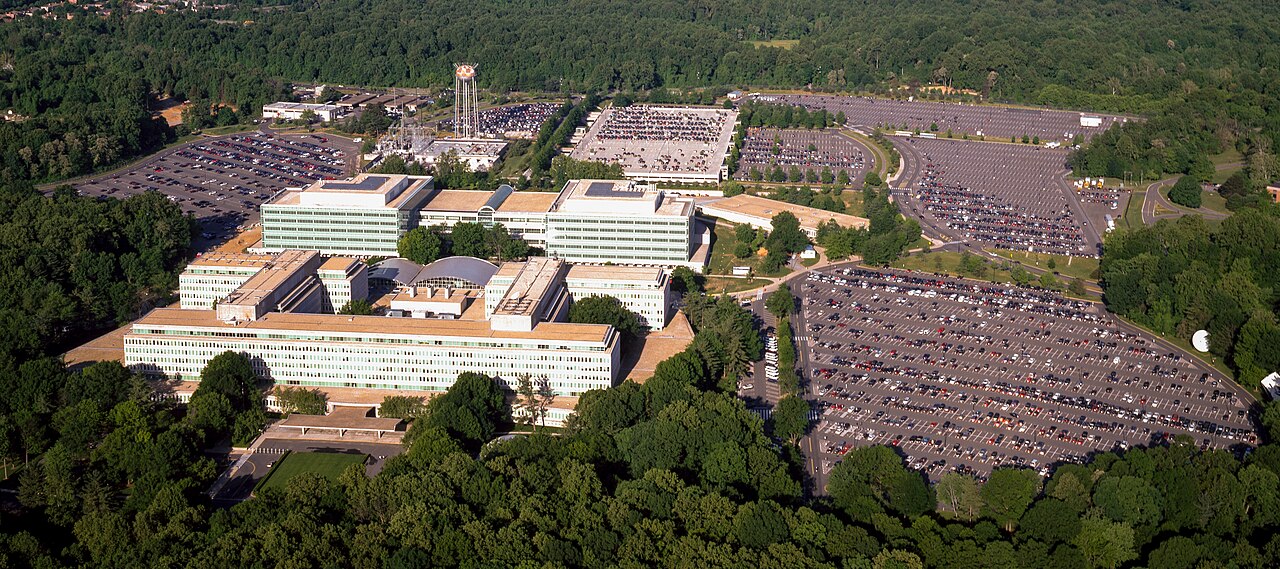
Featured image: archival aerial photograph of CIA headquarters in Langley, Virginia, dated between 1980 and 2006, not the 1953 panel meeting. Carol M. Highsmith Archive, Library of Congress; public domain. Image source and credit.

Leave a Reply