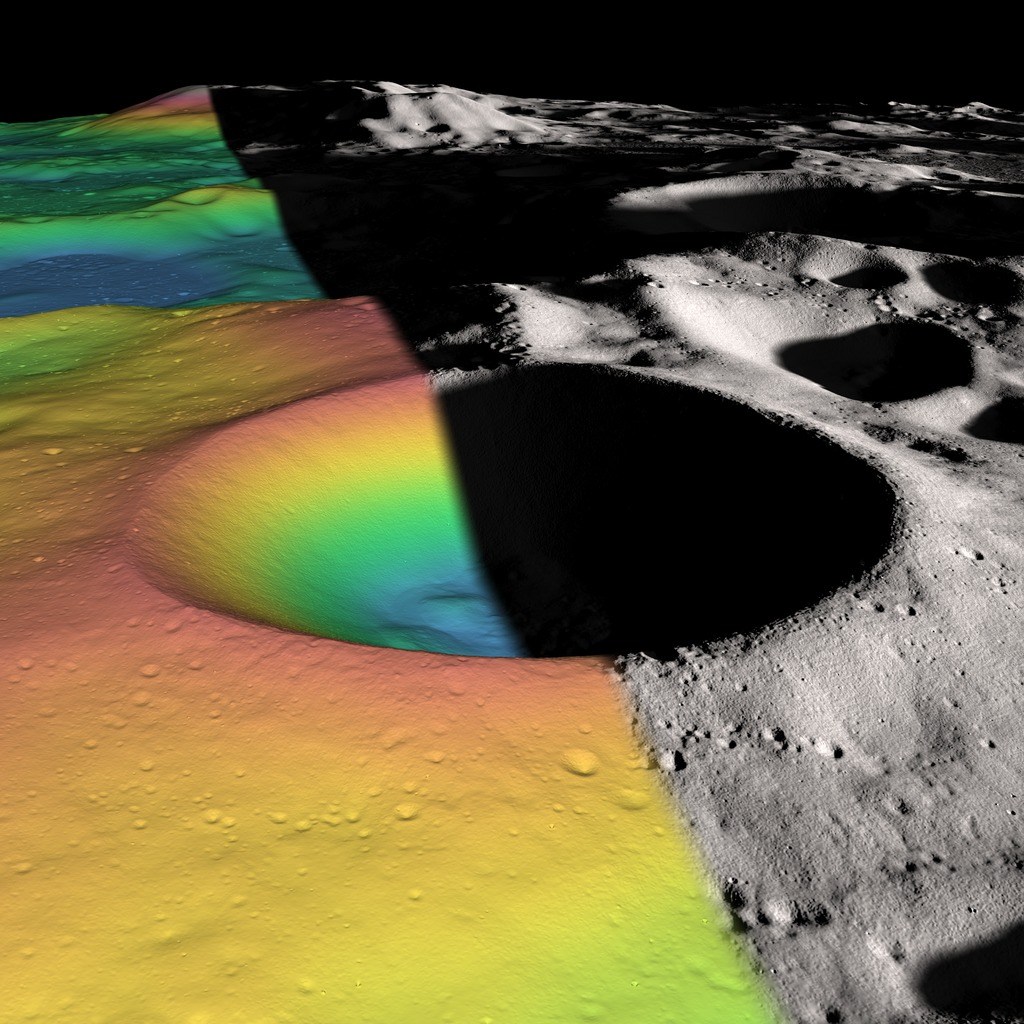
NASA is moving ahead with PROMISE, a nuclear-powered lunar rover designed to investigate the Moon’s south polar region. Announced on November 7, 2026, the mission combines existing Mars-rover hardware with instruments intended to examine the surface, probe below it and assess resources for future exploration.
The agency is targeting a launch in late 2028 and an 18-month primary mission. Those are planning goals, not completed milestones. NASA’s November 7 announcement also identifies Blue Origin’s Mark 1 lander as the vehicle intended to deliver and deploy the rover.
Giving tested hardware a different destination
PROMISE stands for Polar Rover for Observation, Mapping, and In-Situ Exploration. NASA’s Jet Propulsion Laboratory will build the vehicle using spare components and engineering hardware associated with Curiosity and Perseverance.
The mission overview describes a more specific starting point: the duplicate Curiosity vehicle used as a system test bed. Its body, electronics and mobility hardware will contribute to the lunar rover, alongside additional parts from both Mars missions. A flight-spare multi-mission radioisotope thermoelectric generator will provide power.
Reusing hardware does not make the Moon interchangeable with Mars. It gives engineers an established foundation that still has to be integrated and tested for the new destination. NASA says it has assessed the hardware’s compatibility with conditions near the lunar south pole.
Power for places sunlight cannot reach
The power choice is central to the mission’s purpose. Solar-powered operations depend on illumination, while permanently shadowed terrain presents a different problem. PROMISE is intended to operate during lunar nights and enter cold, shadowed regions where frozen materials may be preserved.
As NASA’s radioisotope-power explanation describes, these generators convert heat from the natural radioactive decay of plutonium-238 into electricity. They can provide power largely independently of changing sunlight, and some of their heat can help spacecraft systems survive cold environments.
That capability expands when and where a rover can work. It does not remove the need to manage energy, temperature, terrain and equipment limits during each activity.
Testing what lies beneath the surface
The planned payload includes a drill capable of reaching about one meter into lunar regolith. Other instruments would examine material chemistry, temperature and radiation. Cameras and autonomy technology would support exploration, while the rover would also demonstrate a radiation-tolerant computing system.
The distinction between finding a possible resource and establishing its usefulness matters. A rover can test local conditions and characterize material directly. Deciding whether a deposit could support future operations would require interpreting those measurements alongside accessibility and engineering constraints.
PROMISE’s practical value would therefore come from replacing assumptions with measurements: what is present, how conditions vary and what operating in these regions actually demands. Development approval begins that effort. Launch, landing and a sustained working rover remain the steps required to turn the plan into evidence.
Featured image: NASA visualization of Shackleton Crater near the lunar south pole, combining imagery with elevation data. It illustrates shadowed terrain, not a confirmed PROMISE landing site. Credit: NASA.
Leave a Reply