On January 18, 1979, UFOs occupied the House of Lords for an evening of unusually wide-ranging argument. The Earl of Clancarty wanted governments to pool information and study the subject. Other peers challenged the evidence, the proposed expenditure or the assumptions behind the word UFO. The official Hansard transcript preserves the disagreements and an important ending: the motion was withdrawn.
That ending prevents a familiar historical shortcut. Parliament debated UFOs, but this debate did not amount to the House approving an extraterrestrial explanation or launching the study Clancarty wanted. Political attention, acceptance of evidence and an operative government decision are three different things.
What was being requested
Clancarty opened by declaring that he had written books about UFOs. He called for an “intra-governmental” study and moved for papers. He also suggested a parliamentary group that could meet periodically. His speech assembled sightings and arguments for greater openness, but its presence in Hansard establishes what he told the chamber, not the independent accuracy of every story he cited.
The distinction matters when a later article quotes an impressive claim beneath an official Parliament heading. Hansard is a primary record of the speech. To establish the underlying incident, readers must still follow the speaker’s source back to its witnesses, documents and measurements.
The Earl of Cork and Orrery pressed one of the evening’s clearest questions: what does it mean to deny an unidentified flying object? In reply, Lord Trefgarne clarified that he accepted the existence of unidentified observations while disputing extraordinary interpretations. The exchange exposed a problem that can otherwise pass unnoticed. A disagreement over causes can look like a disagreement over whether anyone saw anything at all.
The government’s answer and the final line
Replying for the government, Lord Strabolgi said the Ministry of Defence examined reports for defence interest and had found nothing in them that established alien spacecraft. He rejected a new publicly funded study. He also defended the confidentiality of files containing correspondence, invoking the record-access rules then in force. These were the government’s stated positions on that date, not findings from a new investigation conducted during the debate.
Clancarty thanked participants and asked leave to withdraw his motion. Hansard records that it was withdrawn. Readers looking for an order to release files, a vote establishing a research office or a collective finding about visitation will not find one in that outcome.
The transcript remains valuable because it lets the public inspect both advocacy and the official response in the same record. Its questions are practical: what should be collected, who should assess it, what could justify spending, and what information should become public? Those issues can be debated without treating a chamber’s willingness to hear claims as scientific corroboration.
For historical research, the safest citation identifies the speaker, the date and the proposition being supported. That preserves the debate’s real contribution: a visible contest over evidence and responsibility, with an outcome readers can check for themselves.
Contains Parliamentary information licensed under the Open Parliament Licence v3.0.
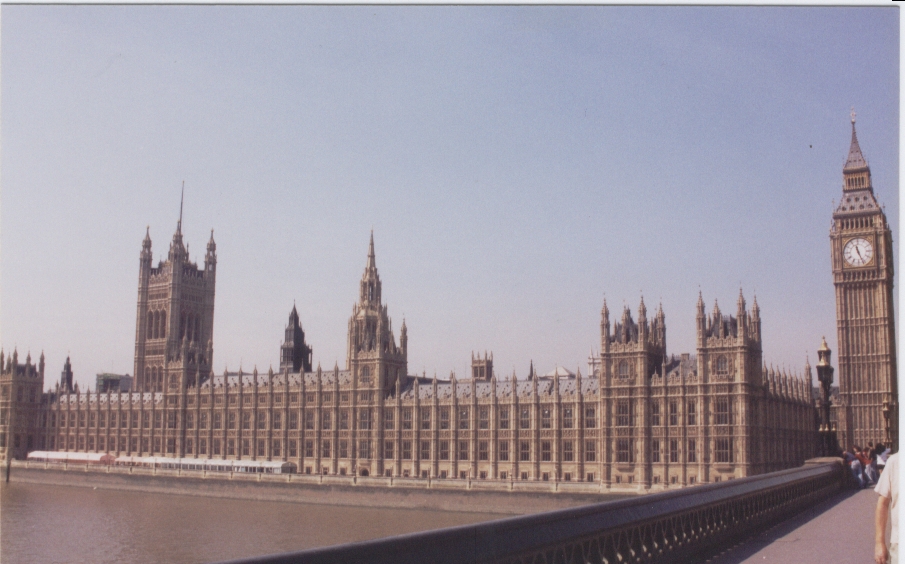
The Palace of Westminster, photographed in 2005. Photo: Joseolgon / Wikimedia Commons, CC BY-SA 4.0. Cropped to fit.

Leave a Reply