Secret reconnaissance flights are a documented part of UFO history. The harder question is how many reports they explain. Two CIA histories are frequently cited for an estimate exceeding half of the reports during parts of the late 1950s and 1960s, but the attribution and scope of that number deserve careful reading.
In CIA’s Role in the Study of UFOs, 1947–90, historian Gerald K. Haines attributes the figure to later estimates by officials who worked on the U-2 and OXCART programs. His footnote points to the agency’s reconnaissance history and a July 1994 telephone interview with John Parongosky, who oversaw OXCART’s daily affairs.
How a spy plane could become a strange light
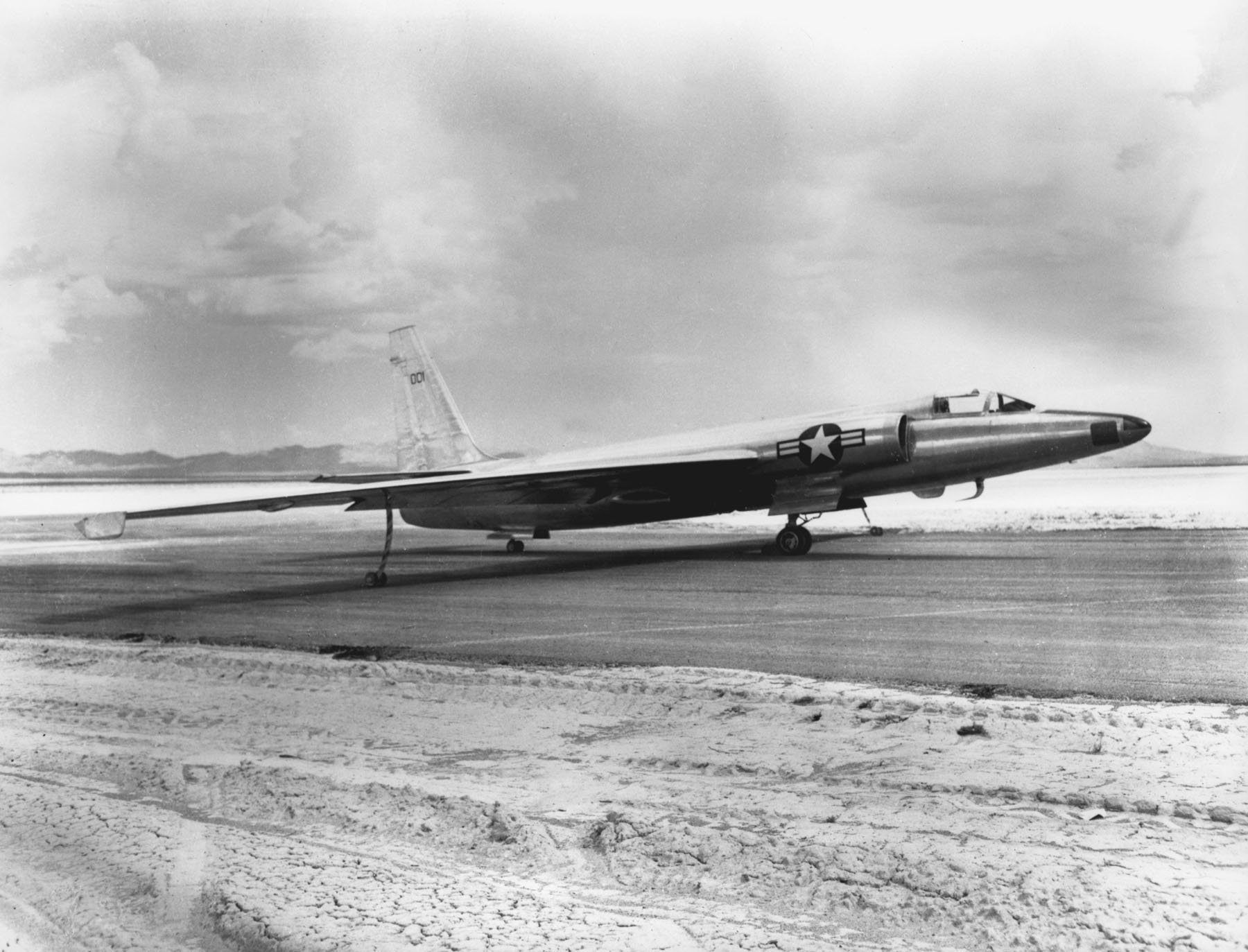
The U-2 program history describes a straightforward viewing geometry. A high-flying aircraft could remain in sunlight after a lower airliner had entered darkness. Reflections from the U-2’s silver surfaces could then appear unusually bright to observers far below.
The CIA’s program history also describes Blue Book investigators comparing reports with U-2 flight logs through CIA project staff. According to the account, this allowed identifications that could not be publicly explained without exposing the classified program.
An estimate is not a case list
These passages establish what the official histories say. They do not present an enumerated public table matching every report behind the percentage to an aircraft flight. Evaluating the numerical claim independently would require the relevant report population, dates, flight records and matching criteria.
That distinction leaves room for both a real source of misidentification and uncertainty about its reported prevalence. A convincing mechanism for some observations cannot, by itself, supply the missing count.
The aircraft names also need care. Haines’s passage uses a parenthetical association between OXCART and the SR-71, but the CIA’s own aircraft comparison distinguishes the CIA’s A-12 OXCART from the Air Force’s related SR-71 Blackbird. The U-2 is a separate reconnaissance aircraft. Treating the three names as interchangeable obscures which program and period a claim concerns.
The records offer a concrete example of secrecy complicating public explanations of unusual sightings. They neither identify every unrelated UFO report nor authenticate broader allegations about hidden programs. Those claims still need their own evidence.
Featured image: U.S. Air Force, via National Museum of the United States Air Force/Wikimedia Commons. Article 001, the first U-2. Public domain in the United States. Image source.

Leave a Reply