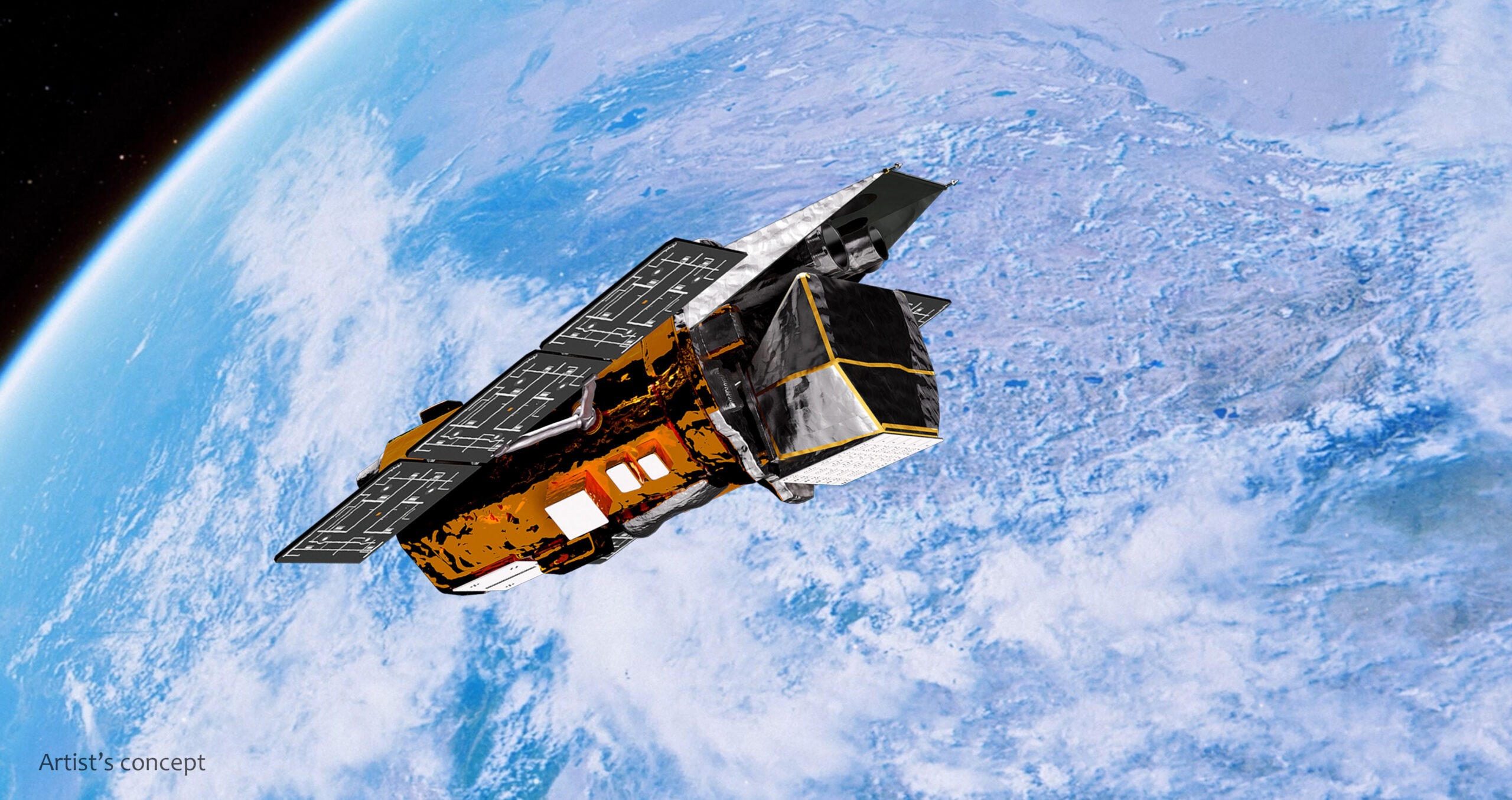
NASA’s Neil Gehrels Swift Observatory made its final science observation on October 20, 2026. The agency announced the mission’s end on October 23, explaining that atmospheric drag at its declining orbital altitude had made stable observations impossible.
The distinction matters: the science mission has ended, but the spacecraft had not yet re-entered the atmosphere when NASA published its update. The agency expected re-entry within the following weeks, not on a confirmed date.
Why observations stopped
According to NASA’s mission update, recent solar activity increased the drag on Swift. A proposed servicing effort ended in August without attempting to raise its orbit. Swift subsequently resumed observations that had been paused to help preserve altitude for that effort.
Those observations covered hundreds of targets, but the spacecraft continued descending. On October 20, at about 171 miles (275 kilometers), Swift could no longer compensate for the drag and entered safe mode. Operators at Penn State then commanded the observatory into its end-of-mission configuration ahead of re-entry.
A rapid-response observatory leaves a long record
Swift launched on November 20, 2004. Its defining capability was speed: detecting a gamma-ray burst, reporting its position and turning its telescopes toward the fading source in roughly a minute. That approach helped other observatories follow events that would otherwise disappear before detailed observations could begin.
In its mission retrospective, NASA credits Swift with observing more than 2,000 gamma-ray bursts and contributing data to about 7,000 scientific papers. The archive remains available for research, so the end of new observations does not mean the end of discoveries from the mission.
For now, the immediate milestones are separate: science operations have stopped; atmospheric re-entry is still expected. NASA says it is assessing ways for existing and future capabilities to help fill the rapid-response gap.
Image: Artist’s concept of Swift above Earth, not a photograph of its final orbit or re-entry. Credit: NASA’s Goddard Space Flight Center Conceptual Image Lab. Image source.
Leave a Reply