Before cells could build the machinery that powers life today, something simpler had to supply usable chemical energy. Researchers at Heinrich Heine University Düsseldorf and collaborating institutions have demonstrated a reaction that may help explain how that could have happened.
The study, published in The FEBS Journal on September 29, 2026 and highlighted by the university on October 6, uses phosphite and a palladium catalyst to drive phosphorylation: the attachment of phosphate groups to other molecules.
Borrowing a function from modern cells
Modern life relies heavily on ATP, a molecule that couples energy-releasing reactions to processes that need an energy input. Cells make it with elaborate biological machinery. According to the university’s account of the research, the team looked for a simpler chemical predecessor by examining how some microbes use phosphite, a more reduced form of phosphorus.
Those microbes employ an enzyme. In the laboratory, the researchers found that metals could carry out a related task, with palladium performing particularly well. A palladium alloy containing nickel and iron also worked. Such native metals are relevant because strongly reducing hydrothermal environments can deposit them in metallic form.
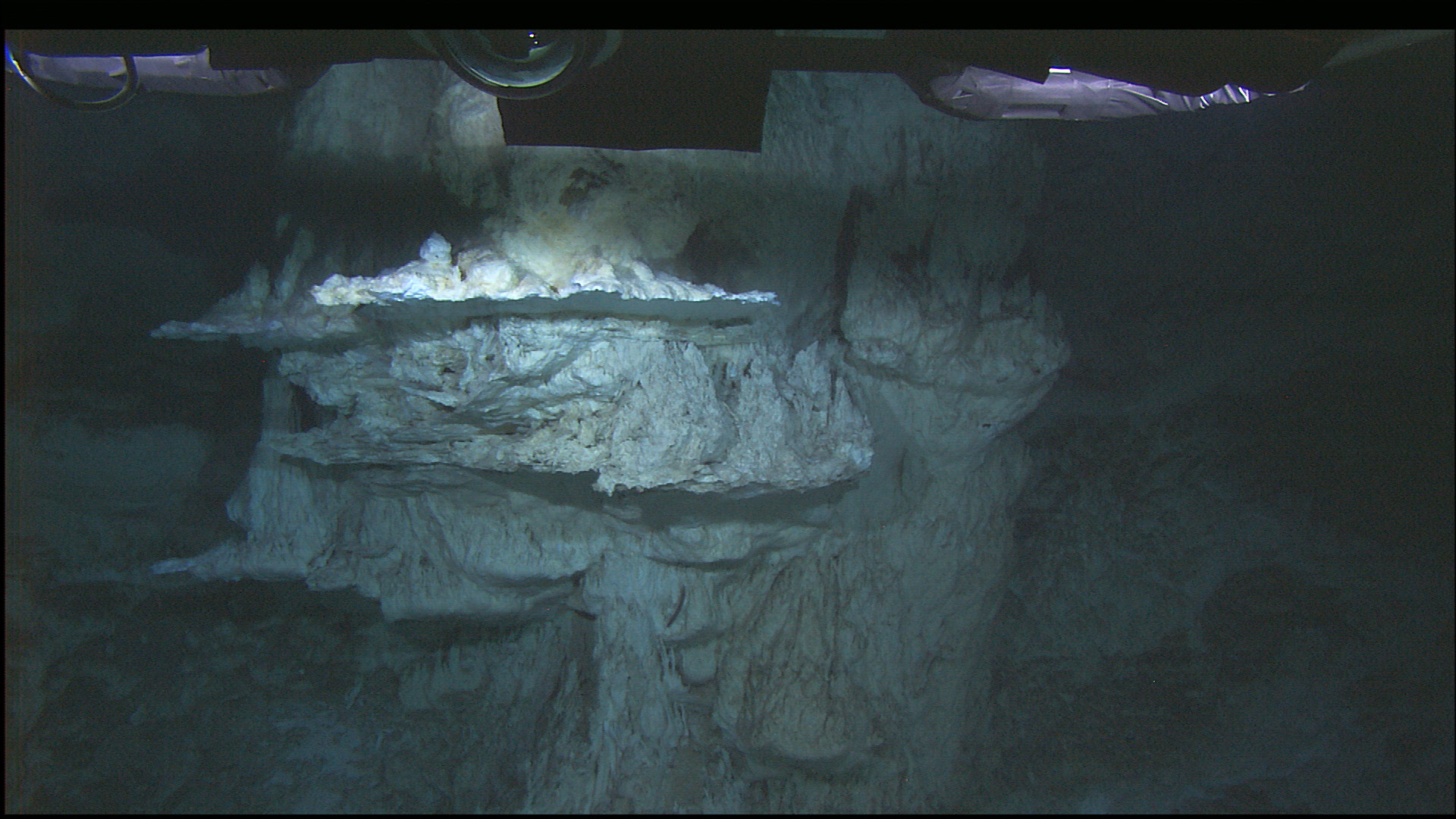
That geological setting has long attracted origin-of-life research. NASA-supported studies of serpentinization, the interaction between water and certain rocks, have examined living microbes that use products of those reactions. Present-day ecosystems show how geology can supply biological energy, while experiments ask how the relationship might have begun.
What the experiment establishes
The new reactions ran in water at temperatures between 25 and 100 degrees Celsius. Products included phosphorylated sugars and glycerol, ADP, and acetyl phosphate. The last of these formed overnight at 25 degrees Celsius with a reported yield of eight percent. The energy came from oxidizing phosphite.
Important gaps remain. The paper says the reactive intermediate has not been identified; metaphosphate is one possibility. It also notes that phosphite has not yet been reported in hydrothermal-vent effluent, although relevant evidence comes from serpentinized rocks and microbial genes. Demonstrating a laboratory pathway leaves open how reliably the necessary ingredients would have met in an ancient environment.
The study therefore supplies a chemical possibility for the steps before metabolism became fully biological. It does not establish where life first arose or recreate a living cell. Its value is more focused: a testable connection between environmental chemistry and the phosphate-based reactions that cells depend on.
Featured image: An archival view of mineral formations at the Lost City hydrothermal field, illustrating the type of setting studied in origin-of-life research. Image: NOAA / Lost City 2005 Exploration, public domain.

Leave a Reply