Who receives a UAP report in Germany, and what happens to it next? A new parliamentary inquiry puts those practical questions to the federal government. The Bundestag’s October 5, 2026 notice confirms that members of the AfD parliamentary group are seeking clarification of responsibility for unidentified air and space contacts.
The two-page inquiry, document 21/8323, was published on October 2 and signed in Berlin on September 30. It contains eleven questions covering reporting procedures, assessment, records and cooperation with other countries.
Reporting channels and the records behind them
The MPs ask which federal authorities receive and assess reports, what definitions they use, and whether military personnel, civilian pilots and air-traffic controllers have established reporting routes. They also request annual figures for the past ten years, where such data exist, and details of checks against aviation, satellite and weather information.
Other questions concern interdepartmental working groups, exchanges with NATO, EU or bilateral partners, and whether relevant documents or databases are classified. On classification, the inquiry asks about the existence and level of protection of records rather than demanding their contents.
A final question asks whether responsibilities and procedures exist for potentially non-human objects or signals originating beyond Earth. It raises a contingency; it reports no such detection.
An older answer gets a new context
The inquiry refers back to a June 12, 2008 government answer. Responding to a question about UFOs and extraterrestrials, parliamentary state secretary Peter Altmaier said the government had no knowledge of such sightings in Germany and consequently held no UFO-sighting files suitable for publication.
International work has developed since then. NASA’s independent UAP study, whose final report appeared on September 14, 2023, examined available data, future collection and scientific methods. Its purpose was to improve how observations could be investigated, a useful context for questions about Germany’s own reporting arrangements.
As of October 11, the Bundestag’s official procedure tracker still lists the inquiry as unanswered. The document therefore establishes what the MPs want to know. Any account of Germany’s current position will need to be checked against the government’s eventual reply.
That reply could make a basic but important difference: showing observers and researchers which institutions handle unusual reports, what information they retain, and how those reports are evaluated.
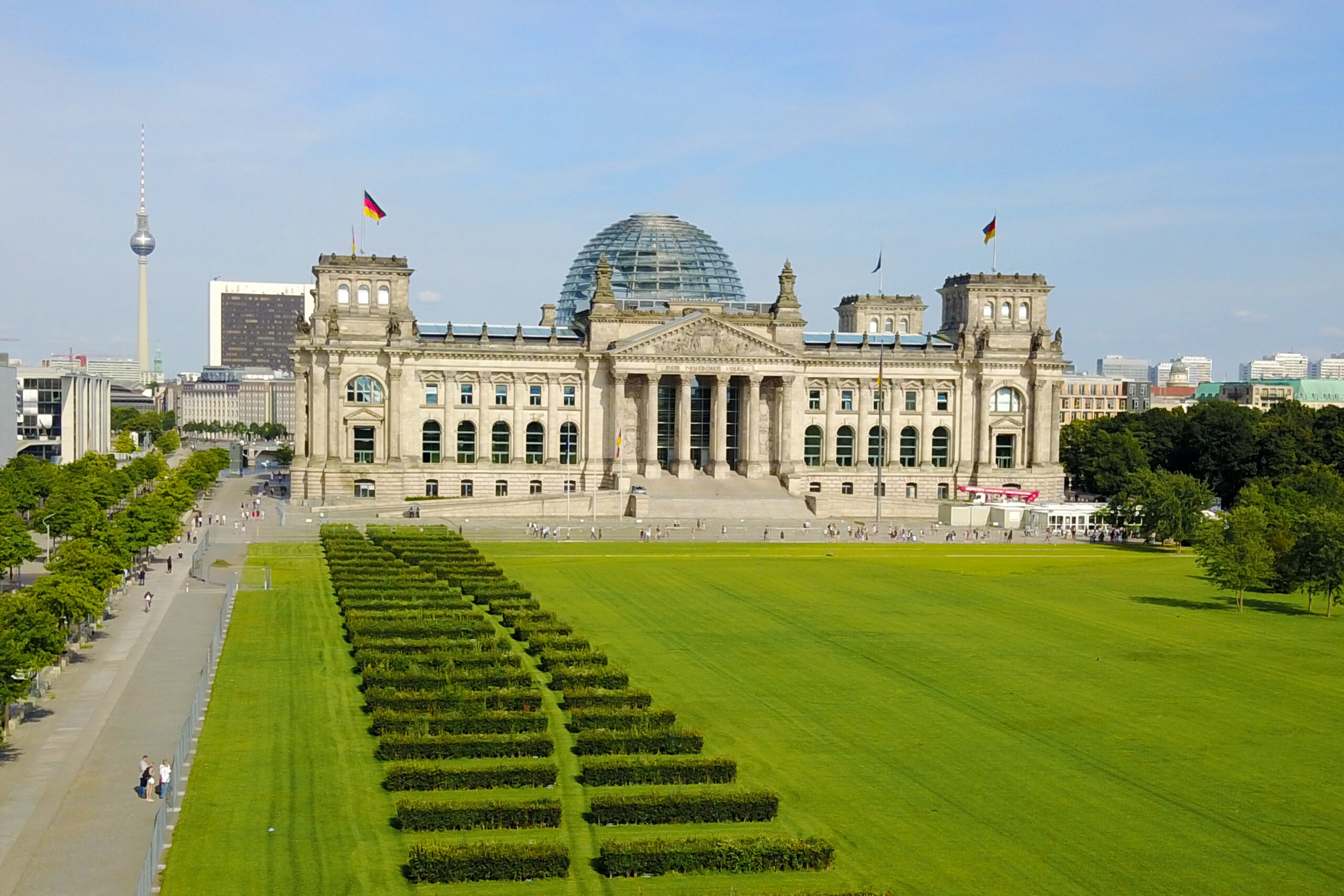
Featured image: The Reichstag building in Berlin, photographed in 2017. Photo: KK nationsonline / Wikimedia Commons, CC BY-SA 4.0. Image displayed at reduced size; homepage thumbnails may be cropped. Image source. License.

Leave a Reply