On December 21, 1977, NASA Administrator Robert A. Frosch answered a question that still sounds familiar: what useful scientific work could a space agency do about UFO reports? His answer declined a new research program, but also described evidence NASA would be willing to examine. Reading those two decisions together gives a more accurate account than either a blanket dismissal or a promise of an investigation.
The clearest short primary record is NASA Information Sheet 78-1, preserved in a released-document copy hosted by The Black Vault. It was prepared by NASA Headquarters’ Public Services Branch to answer inquiries sent to the White House and the agency. The sheet is a historical policy document, not a newly announced position.
Two requests, two answers
According to the sheet, White House science adviser Frank Press wrote to Frosch in July 1977 suggesting that NASA answer UFO-related mail and consider an active research effort. Handling correspondence and conducting scientific research were separate assignments. Frosch accepted the continuing public-response role while arguing that a research program lacked a workable starting point.
The agency reproduced his reasoning: there was no tangible material available for thorough laboratory analysis, and NASA had not identified a sound investigative procedure for the proposed effort. He therefore proposed neither establishing research in the area nor convening a symposium. This was a judgment about the evidence and research design then available.
The same letter explicitly kept laboratory analysis on the table. If credible sources supplied a new piece of genuine physical evidence, Frosch said a NASA laboratory could analyze an otherwise unexplained organic or inorganic sample and report its findings. He also cautioned against reading the decision as an institutional conclusion about the phenomena themselves.
What that offer would require
A sample changes the questions an investigation can ask. Composition, structure and contamination can be measured repeatedly, and other laboratories can compare results. Yet the link between a specimen and a reported event remains a separate evidentiary problem. An unusual material without a documented collection history cannot, by itself, establish the origin of something seen in the sky.
Frosch’s offer also should not be enlarged into a commitment to test every object anyone submitted. The document specified credible sources and bona fide physical evidence. Those qualifications matter because a laboratory result may identify a material while leaving the accompanying story untested.
NASA’s biography of Frosch places his term from June 21, 1977, to January 20, 1981. The 1977 exchange belongs within that administration and its available evidence. Quoting it as if it governed every later NASA decision would erase its date and context.
The enduring value of this record is its explicit test for further work. It invites readers to ask what could actually be measured, who could check it independently, and how the evidence connects to the claim. Those questions make a historical refusal more informative than a simple yes-or-no verdict about UFOs.
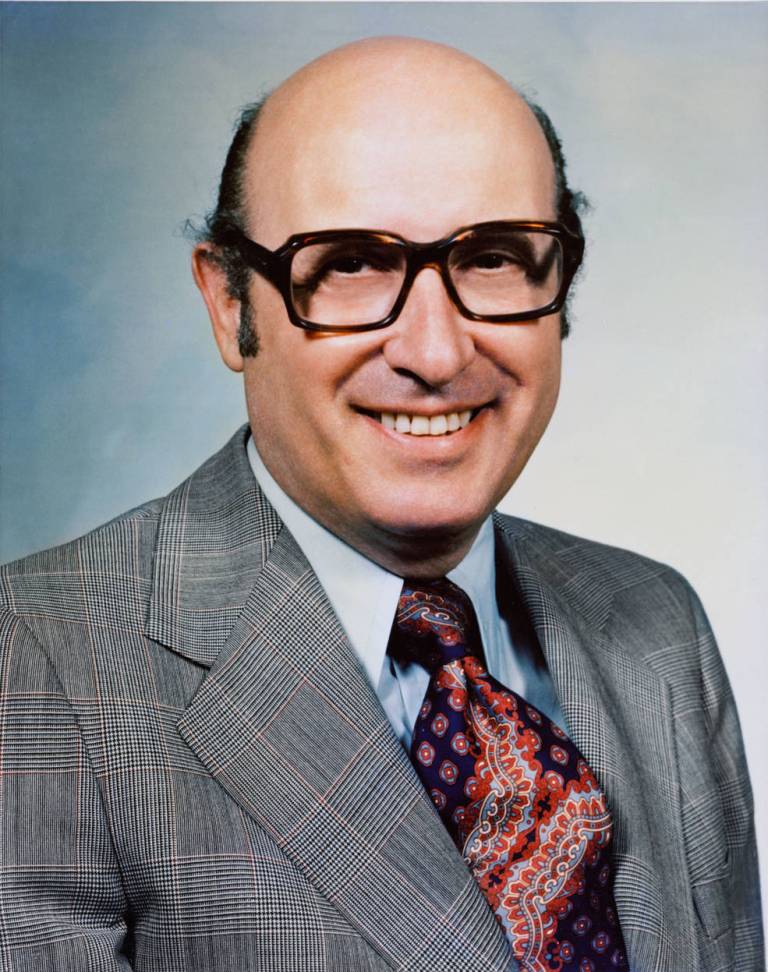
NASA Administrator Robert A. Frosch. Credit: NASA, public domain.
Leave a Reply