Unusual gas detections above a Martian volcano are giving researchers a reason to look more closely beneath the planet’s surface. A study published November 4 links localized hydrogen chloride observations near Alba Mons with fissures that could allow gases from a dormant magma system to escape.
The proposed connection is intriguing for geology and for the search for potentially habitable environments. It remains an interpretation of atmospheric and surface observations, however, rather than a direct detection of an eruption, underground liquid water, or life.
A seasonal pattern with an exception
As the University of Oxford explains, hydrogen chloride on Mars normally varies with the planet’s dust and water cycles. It is most abundant during northern winter and largely disappears in summer. The observations over Alba Mons stood out because they occurred in early northern summer and repeatedly involved the same region.
The research team combined measurements from the ExoMars Trace Gas Orbiter’s Atmospheric Chemistry Suite with imagery from its CaSSIS camera. The surface images showed narrow, fresh-looking fissures, some hundreds of metres long, together with changes in surface colour.
Hydrogen chloride can emerge from volcanic gas vents on Earth. That comparison motivated the researchers to investigate whether a related process could account for the exceptional Martian detections.
How gases might reach the surface
In ESA’s account of the findings, the proposed mechanism involves winter ice blocking pathways through the fissures. As that ice sublimates during the seasonal warming, gases from below could escape. Deposits associated with escaping gases could also help explain the colour differences around the cracks.
The hypothesis points toward a dormant magma chamber beneath the surface. It would help explain why the gas appears in a particular location and season, rather than following the broader atmospheric pattern. Establishing that connection required the team to consider alternative chemical processes that might produce the observations.
What it means for habitability
Heat and water interacting underground can create environments of astrobiological interest. Oxford’s report describes the possibility that magma meeting groundwater could produce warm niches sheltered from the harsher conditions at the surface.
That possibility is a reason to investigate, not a claim that such a habitat has been found. Each link in the argument needs its own evidence: a volcanic source for the gas, an available water supply, and conditions that could remain suitable for organisms.
The Science Advances study therefore provides a focused target for further work. Instead of asking only whether Mars remains active somewhere, scientists can examine a particular region, gas, and seasonal behaviour. That is a more testable question, and a useful step toward understanding how much of Mars’s interior may still influence its surface.
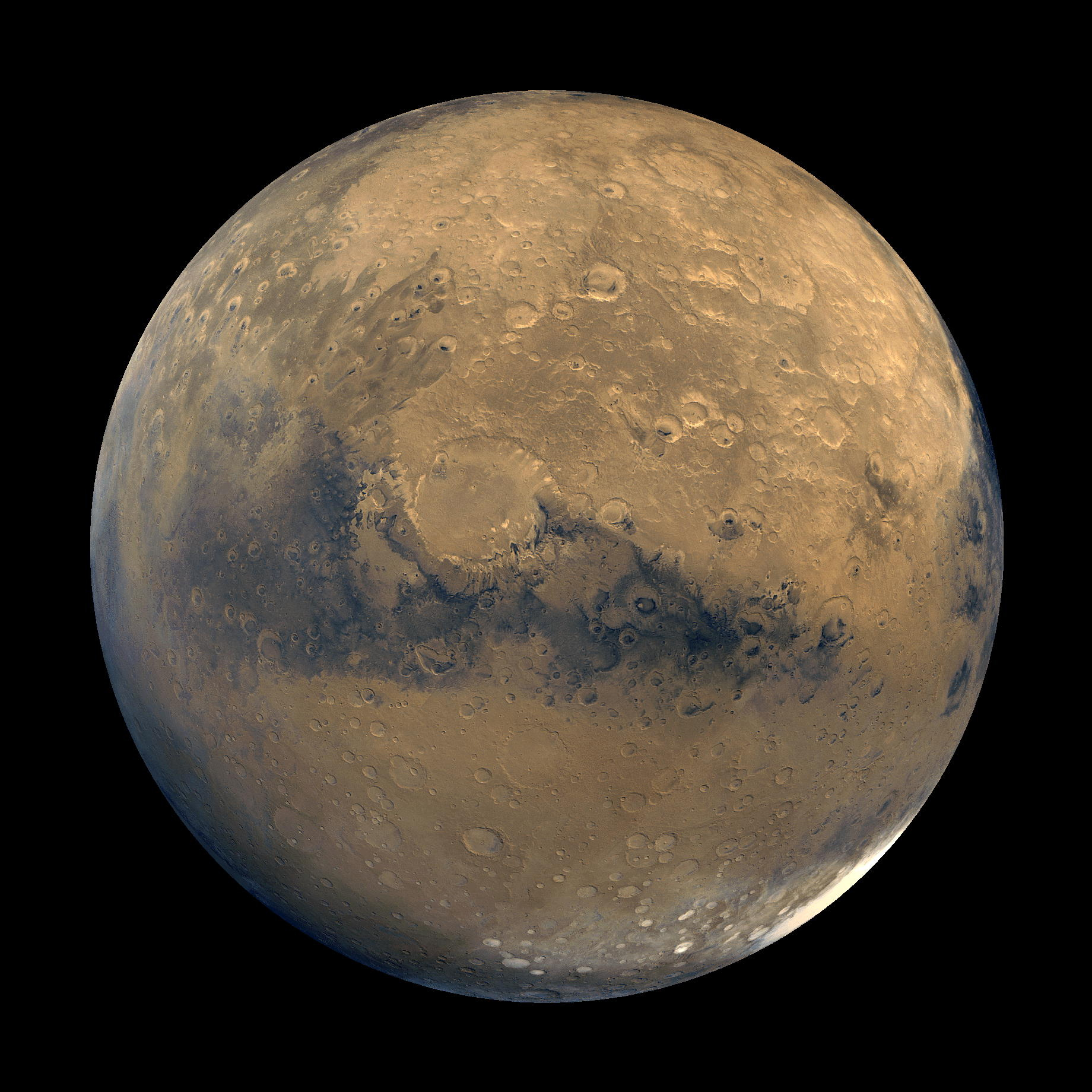
Featured image: archival Viking Orbiter mosaic of Mars, provided for global context, not an image of the new gas detections. Credit: NASA/JPL-Caltech/USGS.
Leave a Reply