A proposed field experiment will examine one of the most disputed ideas in UAP discussion: whether deliberate mental practices have any measurable relationship with unusual events in the sky. The Institute of Noetic Sciences announced the $100,000 award on November 5, 2026. This is funding for a test, with results still ahead, rather than evidence that the claimed relationship exists.
According to the IONS announcement, Peter Skafish leads the winning team, with Brian Lord as co-principal investigator. Experienced practitioners will use meditation and intention at a remote southwestern U.S. location. Researchers plan to compare reported experiences with physiological measurements and instrument records of the sky and surroundings. The announcement promises preregistered methods, openly shared de-identified data, and publication of null findings on the same timetable as positive ones. Work is expected to start in December, continue for a year, and produce results in 2028.
The crucial distinction: experiences and events
A careful experiment has to distinguish at least two questions. Do participants report different experiences during the practice? Do independently recorded physical events also change? Either can be investigated, but the evidence needed for one does not automatically answer the other.
A participant could sincerely describe an unusual experience even if cameras record nothing unusual. Conversely, a camera could record an unexpected light without establishing any connection to what participants were thinking. Treating those outcomes separately protects the study from turning every possible result into apparent confirmation.
The most informative comparison would include observation periods selected before the experiment, rather than only memorable moments selected afterward. If lights appear during a session, researchers need to know how frequently comparable lights appear at the same location when no session is taking place. Weather, aircraft, satellites, animals, camera artifacts and observer expectations all become relevant alternative explanations.
These are methodological questions for the eventual protocol. They should not be mistaken for a claim that the announced team has already adopted every control described here.
What preregistration needs to accomplish
Preregistration is useful when it fixes the important decisions before researchers inspect the outcome: what counts as an event, which measurements matter most, how observation windows are selected and which comparisons determine success. An announcement that methods will be preregistered is a starting commitment. The detailed document is what will allow outsiders to judge whether those decisions meaningfully constrain interpretation.
Independent classification would strengthen the test. For example, people assessing recordings could be kept unaware of whether a clip came from a contact-practice period or a comparison period. That would reduce the opportunity for expectations to influence which ambiguous flashes receive attention. Clear records of equipment settings and clock synchronization would also help connect any testimony to the right instrument data.
What a result could establish
NASA’s UAP guidance emphasizes the difficulty of drawing conclusions from limited observations and states that there is no evidence establishing an extraterrestrial origin for UAP. That remains the appropriate evidential backdrop here.
Even a statistically interesting difference would need replication and investigation of ordinary causes. A negative finding would apply to the practices, conditions and measurements actually tested, rather than settling every claim about consciousness. The strongest outcome would be a transparent experiment that other investigators can scrutinize and repeat. For readers following the project, the next meaningful milestone is the public protocol, not an expectation of contact.
Sources
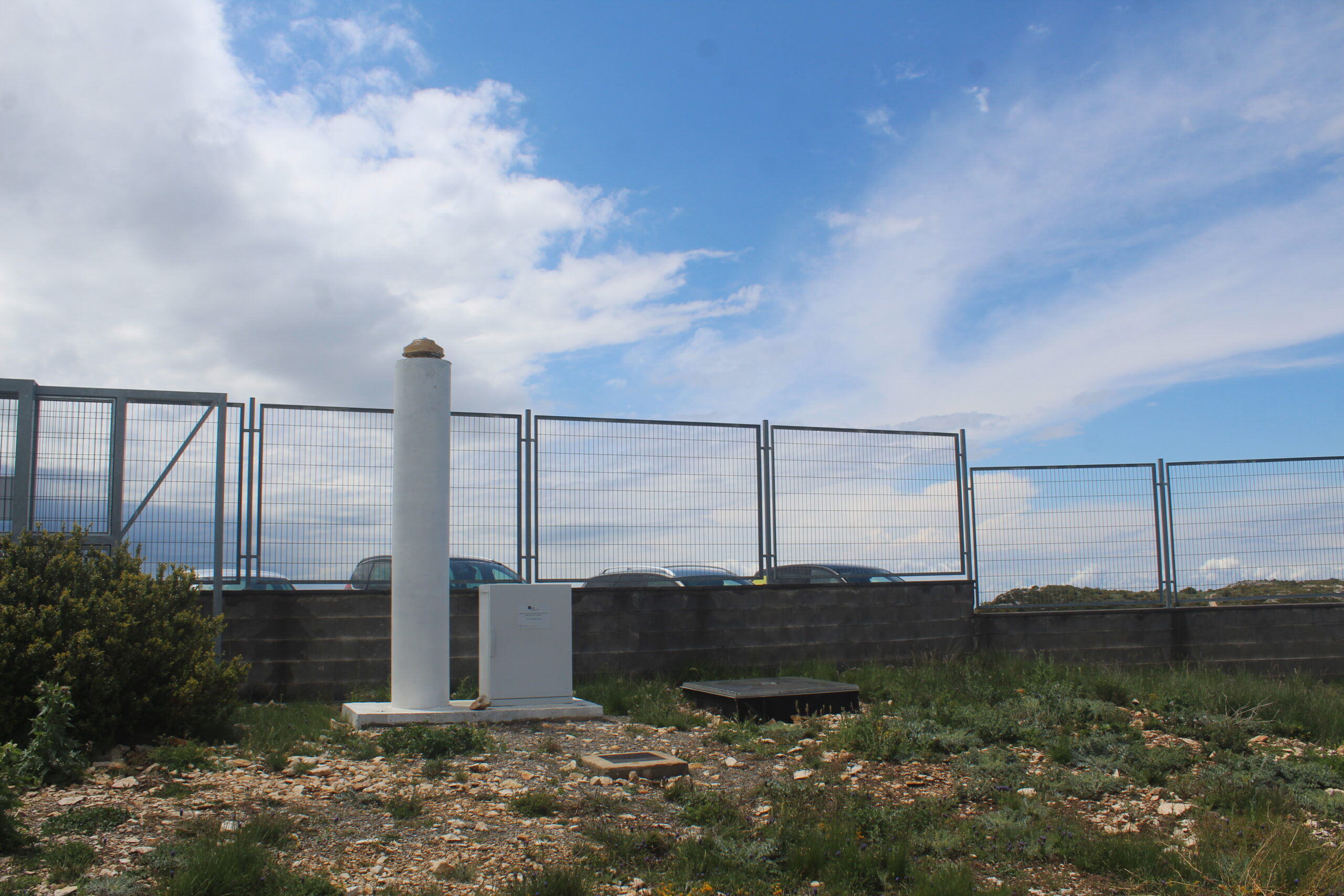
Featured image: contextual photograph of an all-sky camera at Montsec, not equipment from the proposed IONS study. Credit: Castellgalie / Wikimedia Commons, CC BY 4.0. Resized for display.

Leave a Reply