For a brief period in 1947, investigating flying-disc reports became an explicit assignment for FBI field offices. Within months, an argument over responsibilities helped end that arrangement. The surviving documents reveal an early UFO story about jurisdiction, national-security concerns and institutional irritation rather than a secret conclusion about extraterrestrial visitors.
Bureau Bulletin No. 42, dated July 30, 1947, told offices that the FBI had agreed to assist Army Air Forces Intelligence. Agents were to investigate reports and distinguish genuine observations from imagined experiences or pranks. They were to notify headquarters and pass useful information through military liaison channels.
The bulletin also recorded concern that some reports might be deliberate attempts to create public alarm. That was a hypothesis guiding inquiries, not a demonstrated explanation for the wave. The distinction becomes particularly clear in the documents that followed.
The assignment turns sour
In a September 25 memorandum to the director, FBI official D. M. Ladd reported that field investigations had found no indication that subversive individuals were behind the reported sightings. He also described a military letter that had reached the Bureau through its San Francisco office.
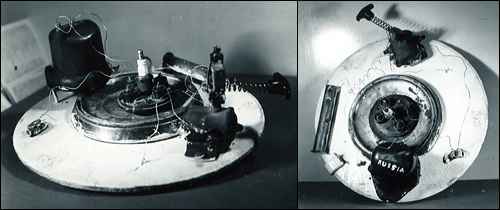
That letter outlined a division of labor: military personnel would interview responsible aerial observers, while the FBI would handle supposed discs found on the ground. Its characterization of these recoveries as household junk and similar objects particularly offended Bureau officials. Ladd recommended a vigorous protest and withdrawal from the work.
The same released file includes instructions discontinuing the investigative activity established in July and directing future flying-disc reports to the Air Forces. Read together, these records make the bureaucratic dispute visible. They do not require a hidden scientific discovery to explain why an agency changed its policy.
Receiving reports was not the same as investigating them
A March 25, 1949 directive makes the resulting distinction especially clear. It referred back to the October 1, 1947 bulletin ending investigations, then supplied offices with Air Force guidance about information worth collecting from people who volunteered reports.
The directive also relayed claims concerning possible manufactured missiles and Soviet experimentation. Those statements show what information officials were circulating. They should not be promoted into proof that Soviet flying discs accounted for sightings. An intelligence file can document an assessment without establishing its accuracy.
For researchers, the practical lesson is to ask why a document entered an agency’s files. An unsolicited account, a liaison exchange, a field investigation and an agency conclusion are different kinds of evidence. The FBI could continue receiving UFO material after ending its general investigative role.
The 1947 episode is consequently a useful corrective to an overly simple story of either official obsession or complete official indifference. The Bureau participated, argued over the assignment and withdrew, while information continued moving through government channels. The paper trail records those decisions more clearly than it identifies whatever people had seen overhead.
Featured image: Two views of a purported flying disc recovered in Illinois in July 1947. The FBI described a wooden platter fitted with miscellaneous components and considered it a prank. Credit: FBI historical investigative image, via FBI.gov.