Dark Fires / Topics
Space & Astronomy
Explore space missions, planets, stars, galaxies, and the science behind new discoveries, with reporting grounded in observatories, mission teams, and published research.
-
Webb Reads the Dust Spitzer Found in Cassiopeia A
NASA’s retired Spitzer telescope helped identify three regions of the Cassiopeia A supernova remnant for a closer look. In a November 23 release, NASA describes how Webb’s infrared measurements let…
-
Dragonfly’s Cameras Will Show Where Its Titan Samples Came From
Dragonfly’s first panorama with its newly installed science cameras shows a cleanroom in Maryland. The November 9 view combines three wide-angle images and shows what the cameras already do together…
-
Why Roman Needs Hubble’s Before Pictures of the Milky Way
In a field crowded with stars, measuring a sudden brightening is easier than knowing which star supplied the light. In images released November 25, Hubble picks out stars in fields…
-
Hera Shows the Crater DART Left on Dimorphos
In new close-up images from ESA, a face of the 151-meter asteroid moonlet Dimorphos appears flattened by a crater stretching across the width of that side. Elsewhere, boulder fields still…
-
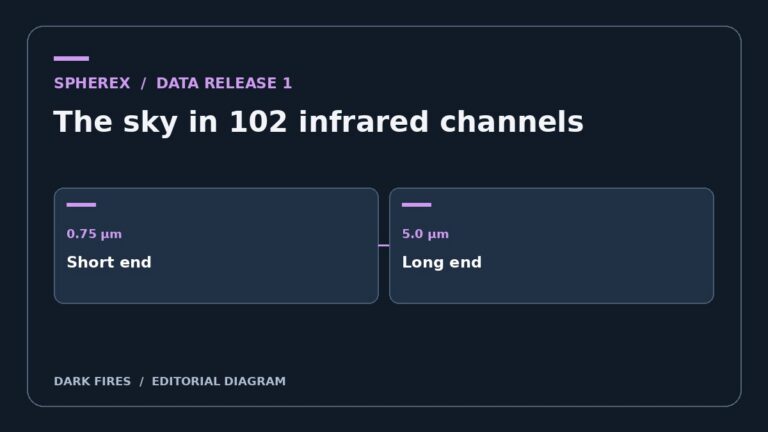
How SPHEREx Looks Through the Milky Way’s Dust
In a November 25 visualization featured by NASA, dark dust clouds hide much of the Galactic Center around 1.2 microns. In some longer infrared bands, more light from behind them…
-
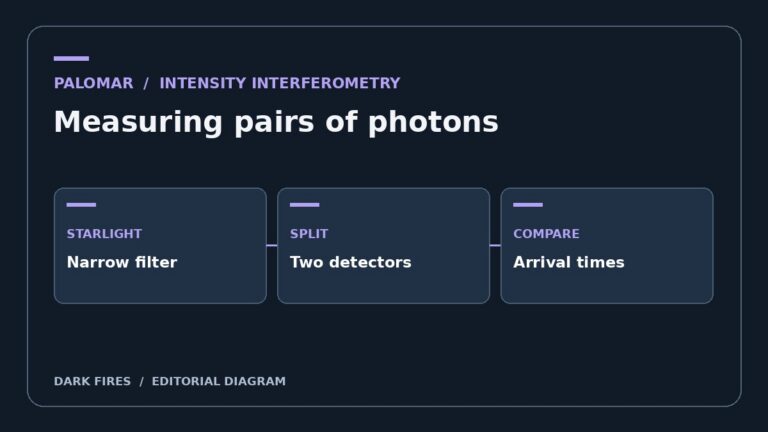
Palomar Measures a Subnanosecond Pattern in Starlight
A team at Palomar’s Hale Telescope split a narrow band of Alpha Herculis’s near-infrared light between two detectors. In about seven usable hours on July 4–5 local time, the detectors…
-
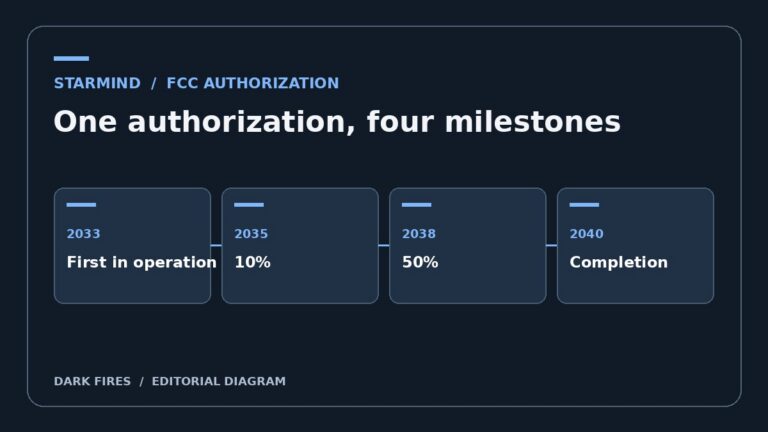
What Starmind Could Mean for Observatories
The FCC’s November 25 conditional authorization permits SpaceX to operate an orbital data-center system of up to one million satellites. The milestones run from a first operating satellite by November…
-
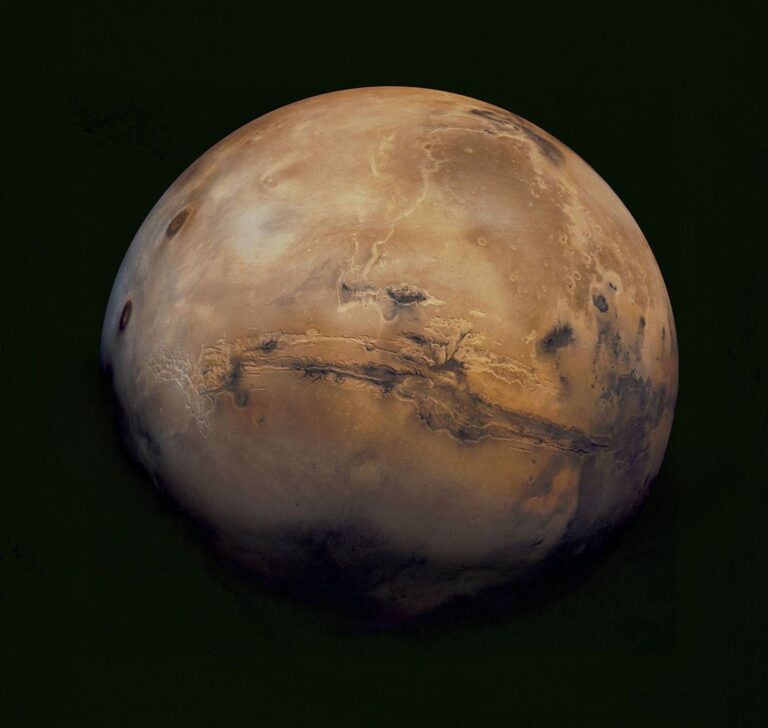
Two Separate Faults Put Mars Rover and Orbiter Communications Under Review
NASA reported on November 19 that two different hardware problems were limiting work at Mars. Perseverance’s preferred radio link to orbiters is out of use during diagnosis. Separately, the Mars…
-
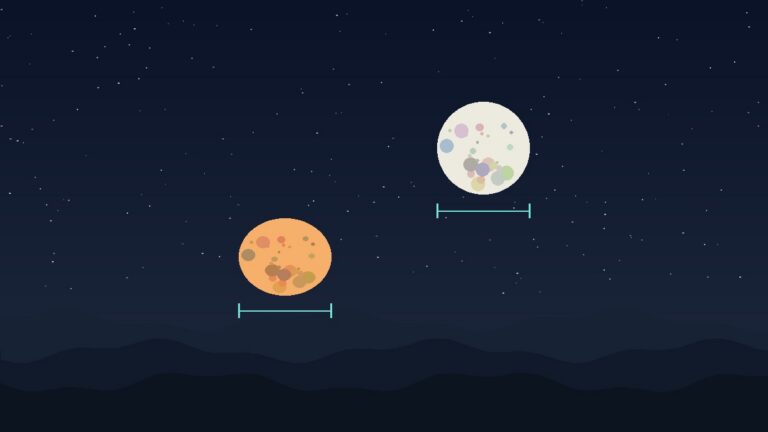
Why the Moon Looks Bigger at the Horizon: A Two-Photo Test
The Moon can look enormous when it clears a distant horizon. You can test how much its apparent width changes by taking a second photo later the same night. Choose…
-
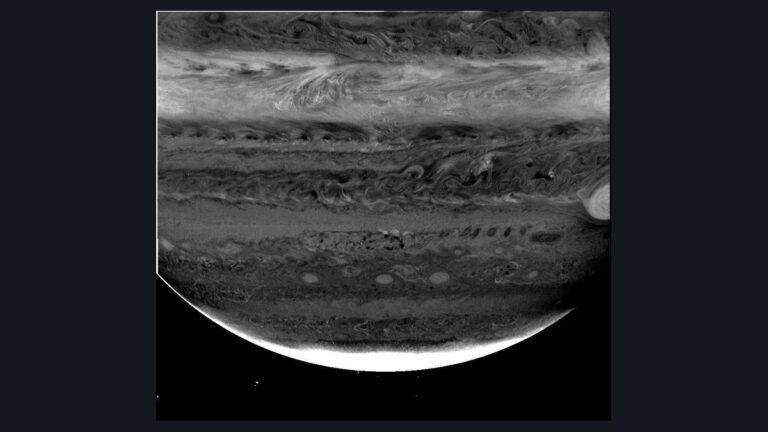
How Cassini Used Methane to See Into Jupiter’s Clouds
Cassini’s December 2000 Jupiter comparison puts the same region in three wavelength bands. At 619 nanometers, methane absorbs relatively weakly and deeper structures show through. At 890 nanometers, stronger methane…