A smoothly centered light can make a sky video look like a stable measuring instrument. But image stabilization deliberately changes the relationship between camera movement and the recorded frames. Before calculating a UAP trajectory, establish what stabilized the picture, and when.
Two different corrections
In its March 2026 technical white paper, camera manufacturer Axis distinguishes optical stabilization, which moves an optical element to compensate for shaking, from electronic stabilization, which models motion and shifts the image using a margin of spare pixels. Image-based methods can have difficulty separating a moving subject from camera vibration. Gyroscope-assisted methods add an independent motion measurement. These are different systems, not one universal filter.
The distinction matters especially at long zoom settings, where a small camera rotation produces a larger displacement in the picture. A visually calm output does not imply that the camera itself stayed still. Conversely, a moving light is not automatically a stabilization artifact. The processing history is a variable to investigate, not a ready-made explanation.
A practical comparison
Our suggested evidence check is to preserve the original file and make any stabilized copy separately. Ask the recorder for the exact camera or phone model, recording mode and stabilization setting, and whether an editor or social platform later stabilized or cropped the clip. Keep the untrimmed beginning and ending: changes in framing can be easier to see outside the dramatic moment.
Then compare the target with stationary landmarks across several frames. If the horizon, roofline and light shift together, camera movement or a frame-wide correction deserves attention. If only the light changes position relative to those references, that is a different observation. Neither pattern alone identifies the object, and distant clouds are not necessarily stationary reference points.
What not to claim
Do not turn pixel displacement in a stabilized crop directly into physical acceleration. A defensible measurement needs the viewing geometry, frame timing and the transformations applied to the image. If the original cannot be recovered, state that limitation instead of presenting a processed trajectory as raw sensor data.
This guide is an application of camera-engineering principles, not a finding about any particular sighting. Stabilization is valuable for seeing a scene clearly. Its usefulness as a viewing aid is precisely why an investigator should document it before treating the resulting frames as measurements.
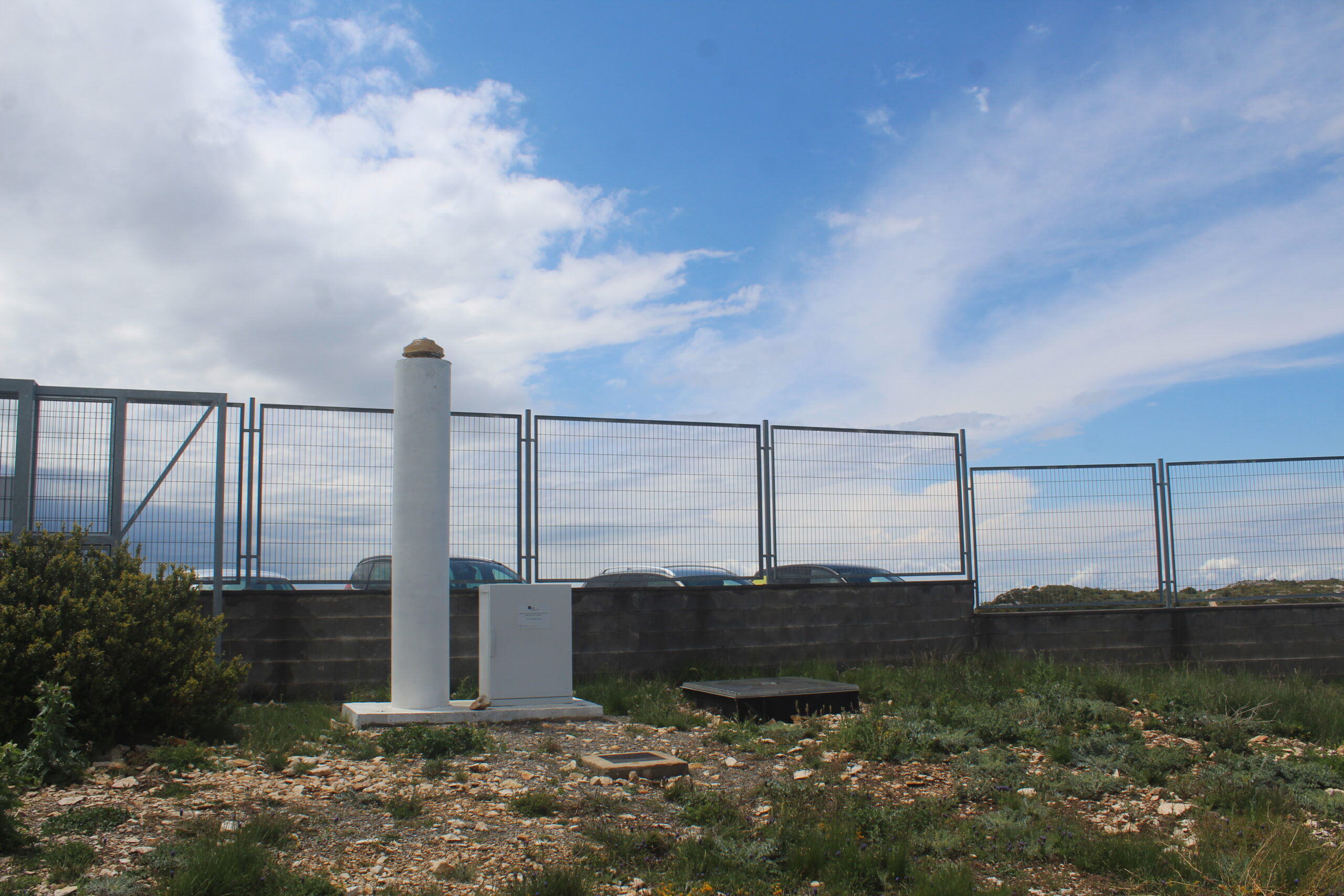
Featured photograph: all-sky camera at Montsec, May 19, 2024. Contextual camera hardware, not a demonstration of a stabilization system or a sighting. Credit: Castellgalie / Wikimedia Commons, CC BY 4.0; resized for display.

Leave a Reply