The UAP Coalition is inviting final public comments on its civilian detection and data roadmap, with submissions open through October 24. Its September 23 announcement invited corrections, missing requirements and sequencing changes. No closing hour or time zone is specified in that notice.
The roadmap separates present work from future ambitions. Characterizing detectable signatures and developing data-sharing frameworks are marked current; coordinated sensor deployment and construction of a data-integration prototype remain proposed. Both the field demonstration and integration initiative are listed as awaiting a charter.
The proposed field test would run for weeks within a bounded area, using synchronized passive instruments. The integration concept would align observations by time and location and check them against aircraft, weather, satellite and other known sources. Participating groups would retain ownership of their raw data.
Its latest dated public update, October 15, announces a progress record, not a detection or operational network.
What useful sensor evidence requires
The technical challenge has an independent reference point. NASA’s 2023 UAP independent study report identified weak calibration, missing sensor information, insufficient overlapping measurements and inadequate baseline data as obstacles to reliable analysis. It recommended observing with multiple well-calibrated sensors and recording the circumstances of each measurement.
That accompanying information can include instrument sensitivity, timing, location, exposure settings and noise characteristics. Without it, an image may preserve an unusual appearance while leaving researchers unable to determine what the instrument actually measured. The NASA panel also emphasized studying known events with calibrated instruments, so ordinary objects and instrumental effects can be distinguished from genuinely unexplained signals.
The report cautioned that artificial intelligence depends on well-characterized data and strong standards. Automated classification therefore cannot substitute for a sound measurement process. Applied to any future civilian network, that offers a practical test of progress: can independent researchers reconstruct observations, check errors and compare results? A larger collection of unexplained images alone would not meet that standard.
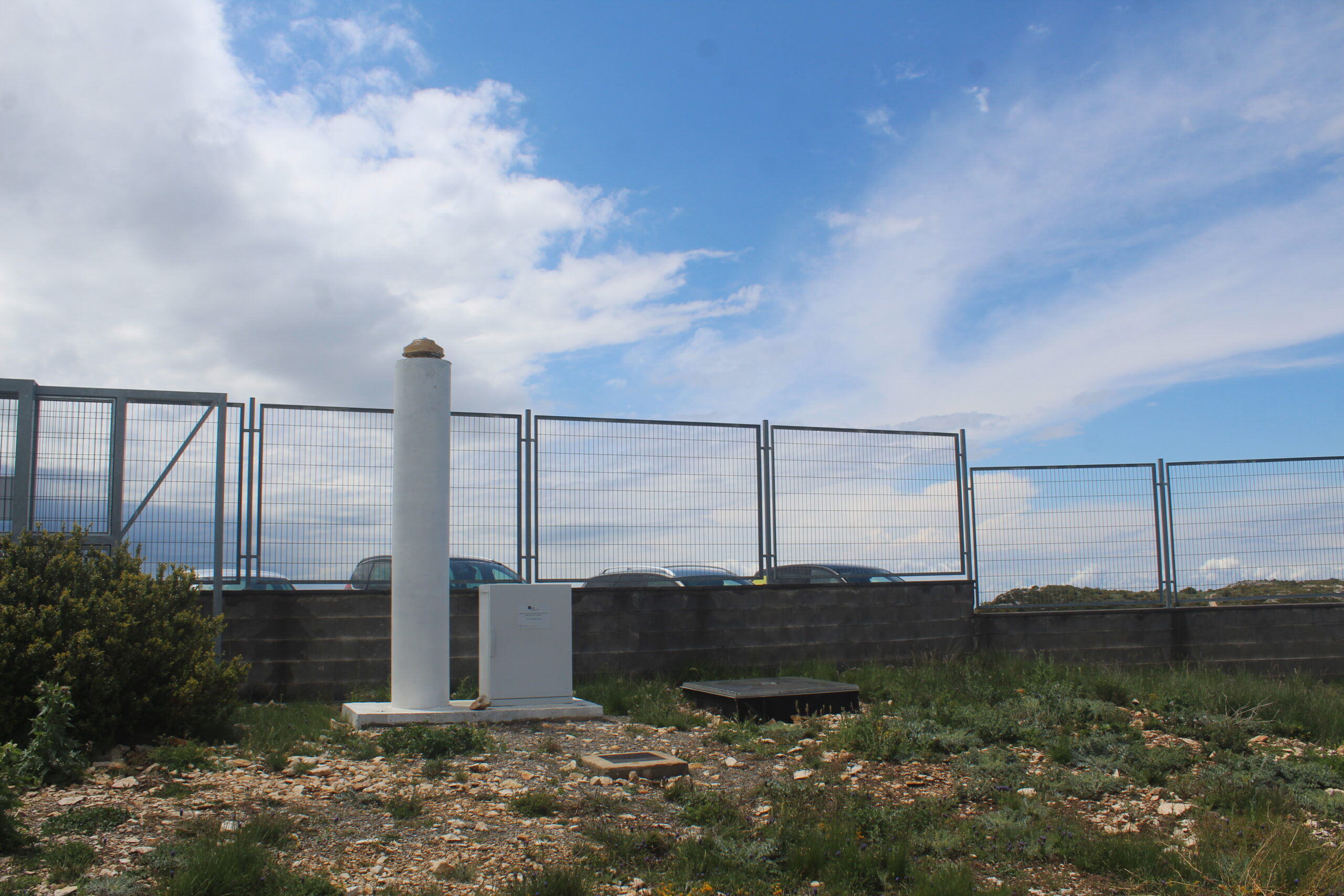
Image: An all-sky camera at the Observatori Astronòmic del Montsec, photographed in May 2024. Contextual photograph, not a UAP Coalition deployment. Credit: Castellgalie / Wikimedia Commons, CC BY 4.0. Resized for display.

Leave a Reply